
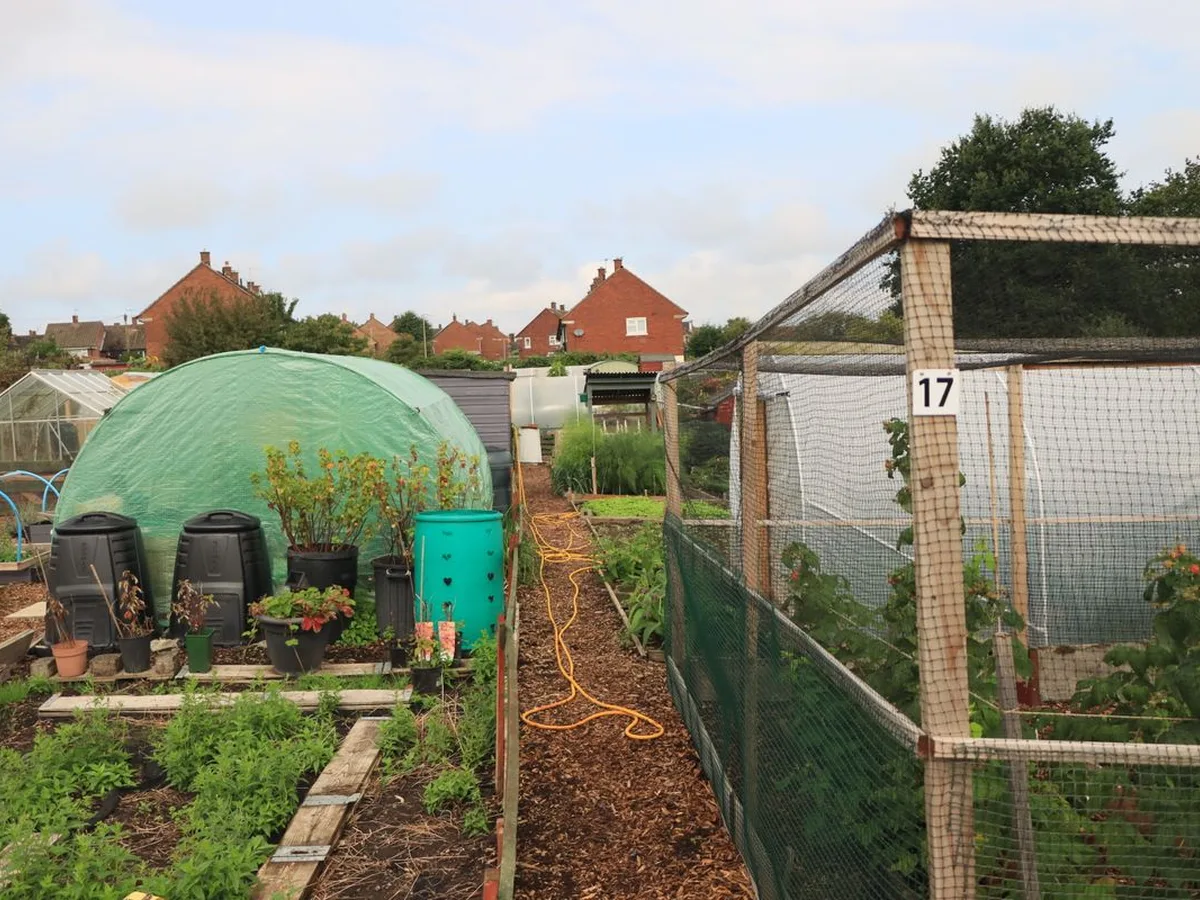
A raised bed is simply a garden bed built up above the surrounding ground, usually held in place by timber, stone, brick, or metal edging. Raised beds have become popular for good reasons: they warm up earlier in the season, drain well, keep soil loose, and are easier to work without bending as far or stepping on the growing area. They also give a beginner a clear, manageable patch to look after, which makes learning to garden less overwhelming.
This guide covers choosing a size and position, building and filling a bed, planning a layout, and planting and maintaining it through the season. You do not need advanced woodworking skills or expensive materials to make a bed that works well.
Why Choose a Raised Bed?
The main advantage is control over soil. In a raised bed you start with loose, enriched soil rather than fighting compacted ground, heavy clay, or thin topsoil. Roots grow more easily, water drains better, and the soil warms faster in spring, which can give seedlings a head start.
Raised beds also help with access and tidiness. Paths between beds stay clear, the growing area is not walked on, and the edge gives you a place to sit while weeding. For gardeners with limited mobility, a taller bed — built up to a comfortable working height — can make gardening possible where ground-level beds would be difficult.
Raised beds dry out faster than ground-level beds, so watering needs more attention, and they cost something to build and fill. Start with one bed and add more later.

Size, Height, and Position
Width matters more than length. A bed should be narrow enough to reach the centre from either side without stepping in — usually no more than about 1.2 metres wide. Length can be whatever fits your garden, though very long beds are harder to walk around, so breaking a long run into shorter beds with paths between them is often more practical.
Height depends on your needs. A bed 15 to 30 centimetres high is enough to improve drainage and soil depth over most ground. A bed 45 to 60 centimetres high is easier on the back and knees, but needs more soil to fill and dries out faster. If you are building on concrete or paving, a deeper bed is necessary because roots cannot grow into the ground below.
Position follows the same rules as any vegetable garden: at least six hours of direct sun a day for most vegetables, shelter from strong wind, and easy access to water. Leave paths at least 45 to 60 centimetres wide between beds. Avoid placing a bed directly under a large tree, where roots and shade will compete with your vegetables.
Materials and Building
Untreated timber is the most common choice and is easy to assemble. Avoid timber treated with old-style preservatives that may leach into soil; check treated timber is rated safe for food-growing beds. Stone, brick, and metal are more durable but cost more.
A simple build follows these steps:
- Mark out the bed on level ground and clear grass and weeds from inside the area.
- Assemble the frame on a flat surface, checking that corners are square.
- Set the frame in position and level it, digging the edges in slightly so it sits firmly.
- If you are building on grass, lay cardboard over the grass inside the bed to suppress it while it breaks down.
- Line the sides, if you wish, with a breathable landscape fabric to hold soil in place — avoid plastic sheeting at the base, which blocks drainage.
If burrowing pests are a problem in your area, a layer of fine wire mesh at the base can help, provided it still allows drainage. For most gardens this is not necessary.
Filling the Bed: Soil and Compost
Filling is where the quality of a raised bed is decided. A mix of topsoil and well-rotted compost, roughly in equal parts, gives a good starting point for most vegetables. If you buy soil in bulk, check that it is screened topsoil suitable for growing, not subsoil or fill. Bagged garden soil from a garden centre can work for a small bed, but buying in bulk is usually cheaper for larger beds.
Fill the bed to near the top, water it well, and let it settle for a few days before planting. Soil always settles after filling, so you may need to top it up. Each year, add a layer of compost to the surface in autumn or before spring planting. This replenishes organic matter and nutrients without needing to dig the whole bed over.
Avoid filling a bed entirely with compost or potting mix; a balanced mix, topped up annually, performs better. Improving garden soil naturally explains how compost, mulch, and cover crops build soil health year after year.
Planning a Layout
A layout is simply a plan of what goes where, and it helps avoid two common problems: planting too close together, and putting tall plants where they shade smaller ones. A useful rule is to place tall plants — such as tomatoes, beans on supports, or sweetcorn — on the north side of the bed in the northern hemisphere, or the south side in the southern hemisphere, so they do not shade shorter crops. In practice, for a single small bed, just keep tall plants at one end and low plants at the other.
Plant in blocks or rows according to how you like to work. Blocks use space efficiently and shade the soil, which helps keep it moist. Rows make weeding and harvesting easier, especially for larger beds. Leave enough space between plants for them to reach full size; seed packets give spacing guidance, and it is better to follow it than to crowd plants and then thin heavily later.
Succession planting — sowing a new crop as soon as one finishes — keeps a raised bed productive through the season. Leafy greens such as lettuce, spinach, and kale are ideal for this, because they grow quickly and can be sown in small batches every few weeks.
Companion planting can also help in a small space. For example, planting herbs such as basil near tomatoes is popular among home gardeners, and flowers such as marigolds can attract beneficial insects. Keep claims about companion planting modest — its main benefit in a home garden is variety and habitat for helpful insects, not guaranteed pest control.
Planting and Maintaining a Raised Bed
Plant at the spacing recommended for each crop, water well after planting, and mulch around plants to hold moisture and suppress weeds. In a raised bed, soil dries faster, so check moisture regularly, especially in hot or windy weather. Water deeply at the base of plants rather than sprinkling leaves.
Feed crops during the growing season with compost or a balanced liquid feed, following label instructions. Heavy feeders such as tomatoes, squash, and brassicas benefit most from regular feeding; leafy greens and herbs need less.
Weed little and often. Because the soil is loose, weeds pull out easily in a raised bed. Remove them before they set seed, and keep paths clear so you can reach all sides of the bed comfortably.
At the end of the season, clear spent plants, add compost to the surface, and let worms and soil life work it in over winter. Avoid digging deeply every year; in a raised bed, a no-dig approach of topping up with compost usually keeps soil structure in good condition.
Frequently Asked Questions
How deep should a raised bed be?
A depth of 15 to 30 centimetres is enough for most vegetables over open ground. On concrete or paving, use at least 30 to 45 centimetres so roots have room to grow.
What soil should I put in a raised bed?
A mix of topsoil and well-rotted compost, roughly in equal parts, works well for most vegetables. Avoid filling a bed entirely with compost or potting mix.
Do raised beds need lining?
Not necessarily. A breathable landscape fabric on the sides can hold soil in place, but avoid plastic sheeting at the base, which blocks drainage. Wire mesh at the base helps only where burrowing pests are a problem.
How often should I water a raised bed?
Check soil moisture regularly, because raised beds dry out faster than ground-level beds. Water deeply when the top few centimetres feel dry, and mulch to hold moisture.
Can I put a raised bed on grass or concrete?
Yes. On grass, lay cardboard over the grass inside the bed to suppress it. On concrete, use a deeper bed and ensure drainage holes or gaps allow excess water to escape.
Conclusion
Raised beds give you control over soil, drainage, and layout in a manageable space. Choose a size you can reach across, a sunny and sheltered position, and a simple soil mix of topsoil and compost, and you will have a productive bed for many seasons.
Start with one bed, learn what grows well in it, and expand when you are ready. If you are new to vegetable growing, our guide to starting a vegetable garden for beginners covers the basics of choosing crops and caring for them through the season.