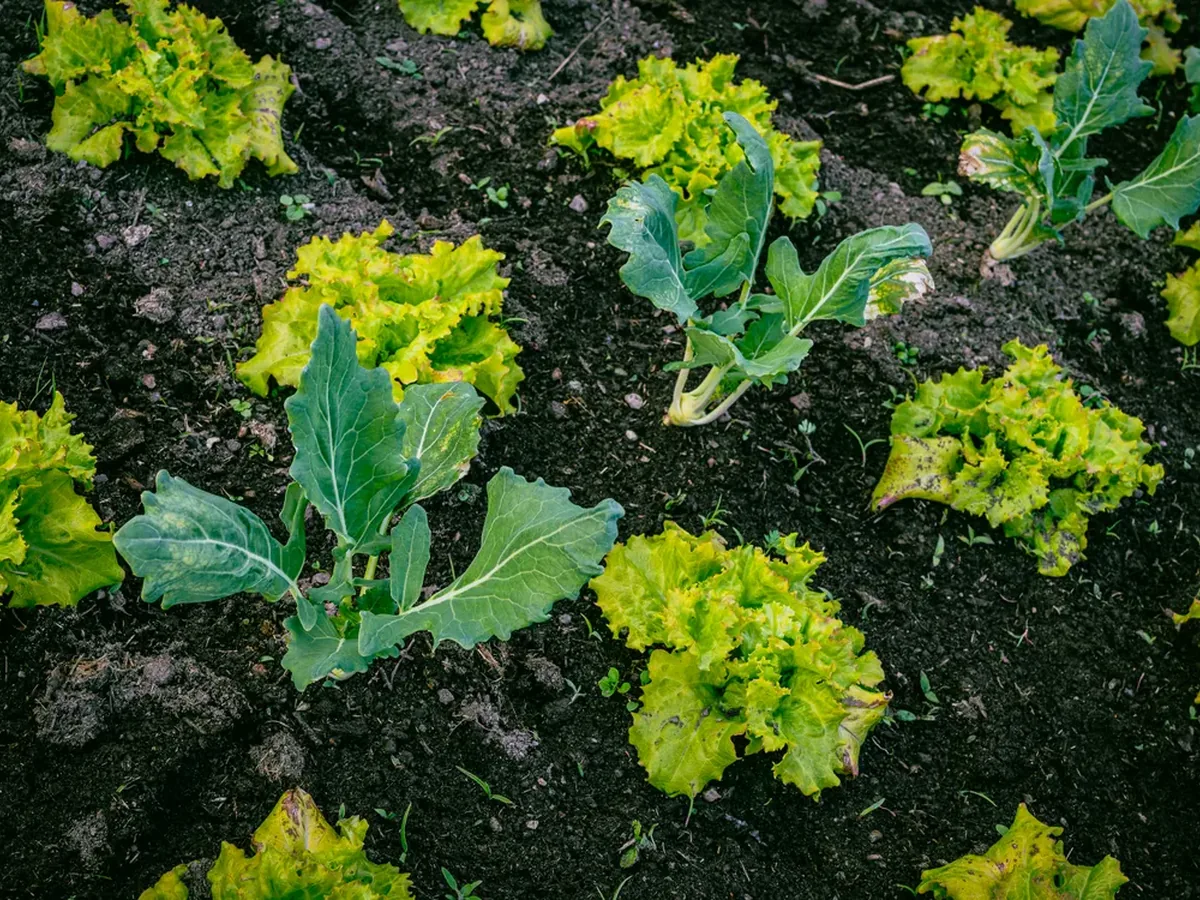
Leafy greens are among the most rewarding vegetables for home gardeners. Lettuce, spinach, and kale grow quickly, take up relatively little space, tolerate cooler weather, and can be harvested leaf by leaf over weeks rather than all at once. A small patch or a few containers can keep a household in salad leaves for much of a growing season, and the difference in freshness between leaves picked minutes before eating and leaves bought days earlier is easy to taste.
This guide covers the three main groups — lettuce, spinach, and kale — including where to grow them, how to sow and plant, watering and feeding, and how to harvest so plants keep producing.
Why Leafy Greens Suit Beginners
Leafy greens are forgiving in ways that fruiting vegetables are not. They do not need pollination, they crop in cooler conditions, and they show problems early — wilting, yellowing, or bolting — so you can adjust watering or shade before the whole crop is lost. They also suit small spaces: lettuce and spinach grow well in troughs, window boxes, and raised beds, and kale, while larger, fits a single large pot or a corner of a bed.
Another advantage is speed. Many lettuce varieties are ready to pick within six to eight weeks of sowing, and loose-leaf types can be harvested even earlier as baby leaves. Spinach is similarly quick. Kale takes longer to establish but then provides leaves over a long season, including through cooler months in many climates.
Lettuce: Types and Growing Tips
Lettuce comes in several forms. Loose-leaf varieties, such as oak leaf and salad bowl types, form open rosettes and are picked leaf by leaf. Butterhead varieties form soft, loose heads. Crisphead types, such as iceberg, form firm heads and need a longer, cooler season and more consistent water. Cos, or romaine, forms upright heads with crisp, sweet leaves.
For beginners, loose-leaf and butterhead varieties are the easiest. Sow seeds thinly in rows or scatter them in a container, cover lightly with soil, and keep moist until germination. Thin seedlings to the spacing on the packet — crowded lettuce grows slowly and is more prone to disease. Alternatively, buy seedlings and plant them out, which gives a faster start.
Lettuce prefers sun in cooler weather and light shade in hot weather. In summer, a spot that gets morning sun and afternoon shade, or a shade cloth over the bed, can prevent leaves turning bitter and plants bolting — sending up a flower stalk and becoming tough. Water regularly so soil stays evenly moist, as dry lettuce becomes bitter and tough. Mulch around plants to hold moisture and keep leaves clean.
Spinach: Cool-Season Growing
Spinach is a cool-season crop that grows best in spring and autumn in most climates, and through winter in mild areas. It dislikes heat and long days, which cause it to bolt quickly. If your summers are hot, treat spinach as a spring and autumn crop and grow other greens, such as chard or kale, through summer.
Sow spinach directly where it will grow, as it dislikes transplanting. Sow seeds about 2 centimetres deep, in rows or blocks, and thin to roughly 15 centimetres apart for full-size plants, or closer if you plan to pick baby leaves. Keep soil consistently moist — spinach wilts quickly in dry soil and recovers slowly.
Feed spinach lightly with compost worked into the soil before sowing, and a balanced liquid feed if growth is pale or slow. Spinach is a hungry crop for its size, but overfeeding with nitrogen can produce soft growth that slugs enjoy. Pick outer leaves first, leaving the centre to keep growing, and harvest regularly to encourage new leaves.
Kale: A Long-Season Green
Kale is a hardy brassica that grows into a tall plant with crinkly or flat leaves, depending on variety. Curly kale, lacinato (also called Tuscan or dinosaur kale), and red Russian kale are common types, each with a slightly different flavour and texture. Kale tolerates light frost and, in many climates, will keep producing through winter, often tasting sweeter after a cold snap.
Start kale from seed indoors or in a nursery bed, then transplant seedlings when they have several true leaves, spacing plants about 45 centimetres apart so air can circulate. Alternatively, buy seedlings. Kale needs fertile, well-drained soil enriched with compost, and benefits from firm planting — press soil around the stem so plants are not rocked by wind, which can loosen roots.
Kale is a longer-term crop than lettuce or spinach. Expect to wait several weeks before picking, then harvest lower leaves first, working upwards, and leave the growing tip intact so the plant continues to produce. A few plants can supply regular pickings for months.
Soil, Water, and Feeding for All Three
All leafy greens prefer fertile, moisture-retentive soil that drains freely. Dig in compost before planting, and avoid very acidic or very compacted soil. A slightly shaded spot is acceptable for lettuce and spinach, while kale prefers full sun but tolerates light shade.
Water is the key habit. Leafy greens are mostly water, and irregular watering leads to tough, bitter leaves and bolting. Water at the base of plants, keep soil evenly moist, and mulch to reduce evaporation. In containers, check moisture daily in warm weather, as pots dry quickly.
Feed lightly and regularly rather than heavily all at once. Compost before planting, plus a balanced liquid feed every few weeks during active growth, is enough for most home gardens. Pale, yellowing leaves can indicate hunger or waterlogging — check drainage before adding more feed.
Pests and Problems
Slugs and snails are the main pest for leafy greens, especially for young seedlings. They feed at night and hide during the day under pots, boards, and dense foliage. Pick them off at dusk, use barriers such as copper tape, and keep the area tidy. Birds can also strip kale and young lettuce; netting over the bed is the most reliable protection.
Aphids cluster on soft new growth and can distort leaves. A strong spray of water, or encouraging ladybirds and other predators, usually keeps them in check in a home garden.
Bolting is a common frustration, particularly with lettuce and spinach in warm weather. Once a plant bolts, leaves usually become bitter and tough. To reduce bolting, sow at the right season for your climate, water consistently, and provide shade in hot weather. If a plant does bolt, remove it and sow a fresh batch.
Harvesting: Cut and Come Again
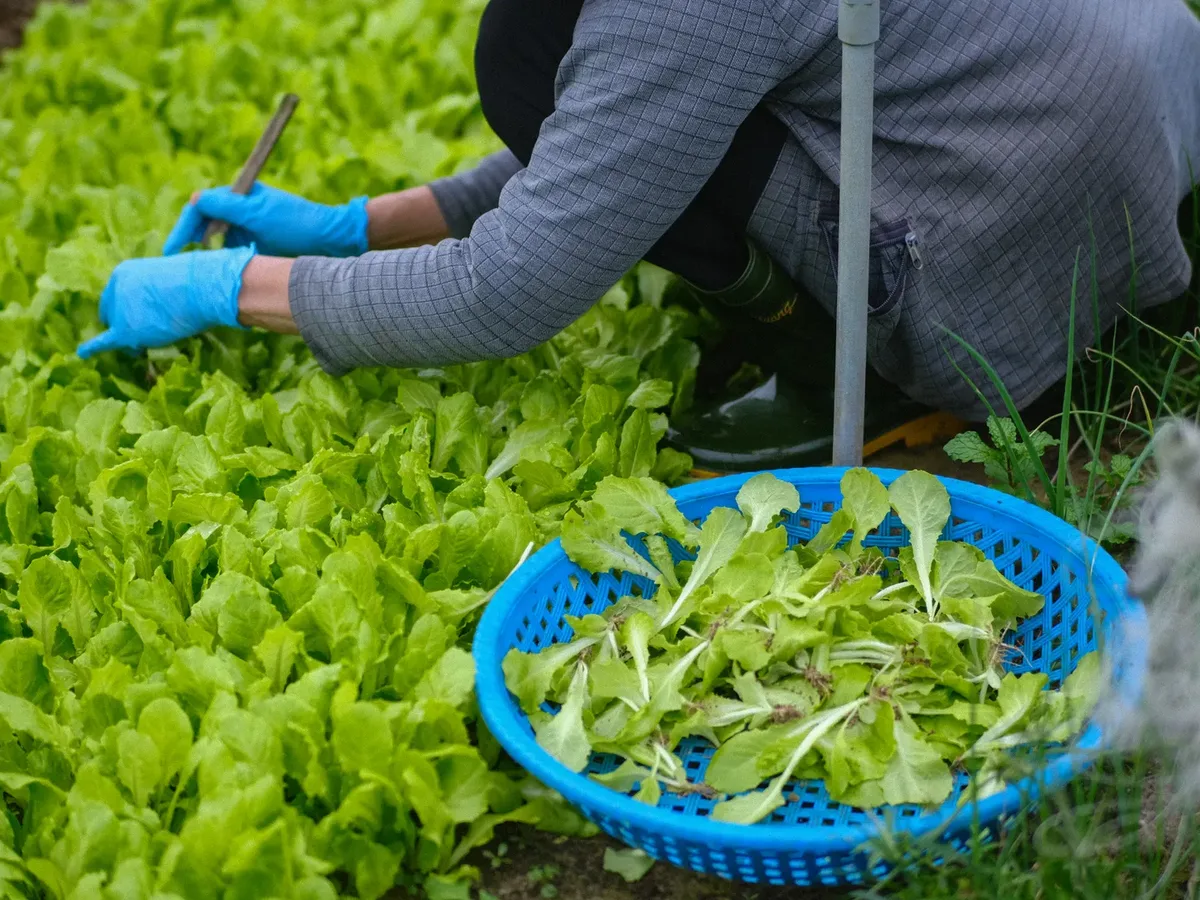
The cut-and-come-again method is ideal for leafy greens. Instead of harvesting a whole plant at once, pick outer leaves as you need them, leaving the centre growing point intact. The plant keeps producing new leaves from the centre, extending the harvest over weeks.
For loose-leaf lettuce, pick a few outer leaves from each plant in turn, rather than stripping one plant bare. For spinach, pick outer leaves first and leave at least a few leaves on each plant so it can keep growing. For kale, work from the bottom up, taking lower leaves and leaving the top to grow.
Harvest in the morning when leaves are crisp, and use them promptly for the best flavour and texture. Wash leaves gently and dry them before storing; most leafy greens keep for a few days in the fridge if stored dry in a bag or container.
Frequently Asked Questions
How often should I water leafy greens?
Keep soil evenly moist, watering when the top few centimetres feel dry. In warm weather, containers may need daily watering, while beds usually need watering every few days.
Why is my lettuce bitter?
Bitterness is often caused by heat, dry soil, or bolting. Provide light shade in hot weather, water consistently, and pick leaves before plants bolt.
Can I grow lettuce, spinach, and kale in containers?
Yes. Lettuce and spinach grow well in troughs, window boxes, and pots at least 15 to 20 centimetres deep. Kale needs a larger pot, at least 30 centimetres wide and deep, for a single plant.
How do I stop slugs eating my greens?
Pick slugs off at dusk, use copper tape or other barriers, and keep the area tidy to remove hiding places. Netting and raised containers can also help.
What is cut-and-come-again harvesting?
It means picking outer leaves as needed while leaving the centre of the plant to keep growing, so one plant produces leaves over weeks rather than a single harvest.
Conclusion
Lettuce, spinach, and kale are forgiving, fast, and productive crops that suit small gardens and containers. Give them fertile, moist soil, steady water, and a spot that suits the season, and harvest leaf by leaf for a long, useful crop.
Start with loose-leaf lettuce for quick results, add spinach in cool weather, and try kale for a long-season green. For more on keeping soil moist and plants healthy, see our guide to Watering efficiently, and if you want another easy crop to grow alongside greens, try Growing carrots. Composting at home for beginners will help you turn kitchen and garden waste into the compost these hungry crops love.