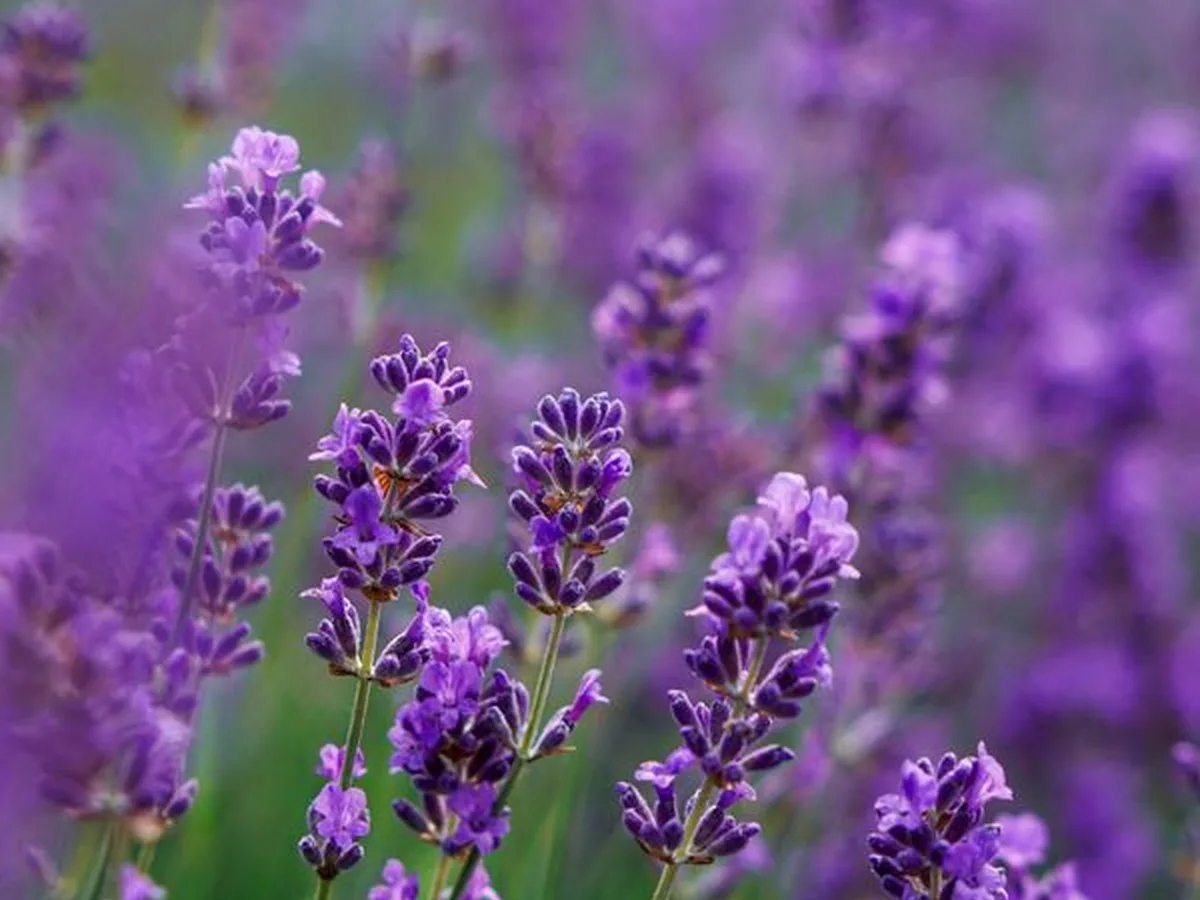
Lavender is one of those plants that looks like it belongs in a Mediterranean postcard and yet grows happily in many ordinary gardens, provided one condition is met: drainage. Give lavender sun and soil that does not stay wet, and it will reward you with scent, silvery foliage, and flowers that bees love. Grow it in heavy, waterlogged soil and it will struggle no matter how much attention you give it.
Choosing a Lavender Variety
Not all lavenders are the same. English lavender, Lavandula angustifolia, is generally the hardiest and the best choice for colder climates, with a sweet scent and compact growth. French and Spanish lavenders, with their distinctive topped flower heads, flower earlier and look striking, but they are less frost-hardy and better suited to mild climates or sheltered spots.
Within each group there are many varieties differing in height, colour, and flowering time. Compact varieties around 30 to 45 centimetres suit edging and containers, while taller types up to 90 centimetres work as low hedges along paths. Check the label for mature size and hardiness before buying, and choose a variety that fits the space rather than one you will need to cut back hard every year.
If you plan to use lavender in cooking or for drying, English lavender is usually preferred for its flavour and scent. For purely ornamental planting, choose on colour and form — deep purples, soft pinks, and whites all pair well with roses and other summer flowers.
Where to Plant Lavender
Sun is essential. Lavender needs at least six hours of direct sun a day and an open, airy position. A south-facing border, a gravel garden, or a sunny spot beside a path where you brush past it and release its scent are all ideal. Avoid low, damp corners and spots shaded by fences or large shrubs.
Soil should be free-draining and not overly rich. Lavender actually prefers poor to moderately fertile soil. Heavy clay is the main problem: it holds water around the roots in winter, which can cause rot. If your soil is clay, improve it with grit and compost, plant on a slight mound, or grow lavender in raised beds and containers where drainage is easier to control.
Lavender also dislikes wet winters more than cold winters alone. A plant that survives frost in dry, well-drained soil may fail in wet, heavy soil at the same temperature. Good drainage, therefore, is winter protection as much as summer care.
Planting Lavender Step by Step
- Dig a hole slightly wider than the pot and the same depth, loosening the soil around it.
- If soil is heavy, mix in horticultural grit and a little compost to open it up.
- Remove the plant from its pot, gently loosen any tightly wound roots, and place it at the same depth it was growing before.
- Backfill, firm gently, and water well to settle the soil.
- Space plants about 30 to 45 centimetres apart for edging, or further apart for specimen plants, to allow airflow.
For containers, choose a pot at least 30 centimetres wide with drainage holes, and use a free-draining mix — ordinary potting mix with added grit or perlite works well. Do not use a saucer that keeps the pot sitting in water.
Planting time depends on climate. Spring is safe in most areas, once frost has passed. In mild climates, autumn planting also works and gives roots time to establish before summer heat. In the southern hemisphere, reverse those seasons: plant in spring there for establishment before summer, or in autumn in mild regions.
Watering and Feeding
New lavender needs regular watering until established, usually through its first season. After that, it is notably drought-tolerant and prefers to dry out between waterings. Overwatering is a far more common cause of failure than underwatering. Water at the base, let the soil dry before watering again, and reduce watering sharply in winter.
Feeding should be light. A small amount of balanced fertiliser in spring is enough, and many gardeners skip feeding altogether in reasonably fertile soil. Too much nitrogen produces soft, floppy growth that is less hardy and less fragrant. Mulch with gravel rather than organic mulch around the crown, because gravel keeps the base dry and reflects heat, while thick organic mulch can trap moisture against stems.
In containers, watering needs are higher because pots dry out faster, but the same principle applies: water thoroughly, then wait until the top few centimetres of mix are dry before watering again.
Pruning Lavender
Pruning is what keeps lavender compact and prevents it from becoming woody and bare in the centre. Prune once a year, after flowering, and optionally give a light tidy in spring. Cut back the flower stems and a small amount of the leafy growth, but avoid cutting into old, bare wood that has no leaves — lavender rarely regrows well from old wood.
A good rule is to remove about a third of the current season’s growth, shaping the plant into a neat mound. Use sharp secateurs or shears, and clean them before use. Young plants benefit from a light prune in their first year to encourage bushy growth, even if that means sacrificing a few flowers.
If a plant has already become woody and leggy, you can try cutting back gradually over two seasons rather than hard in one go, but be prepared that very old, woody plants may not recover well and may need replacing. Regular annual pruning from the start avoids that problem.
Harvesting and Using Lavender
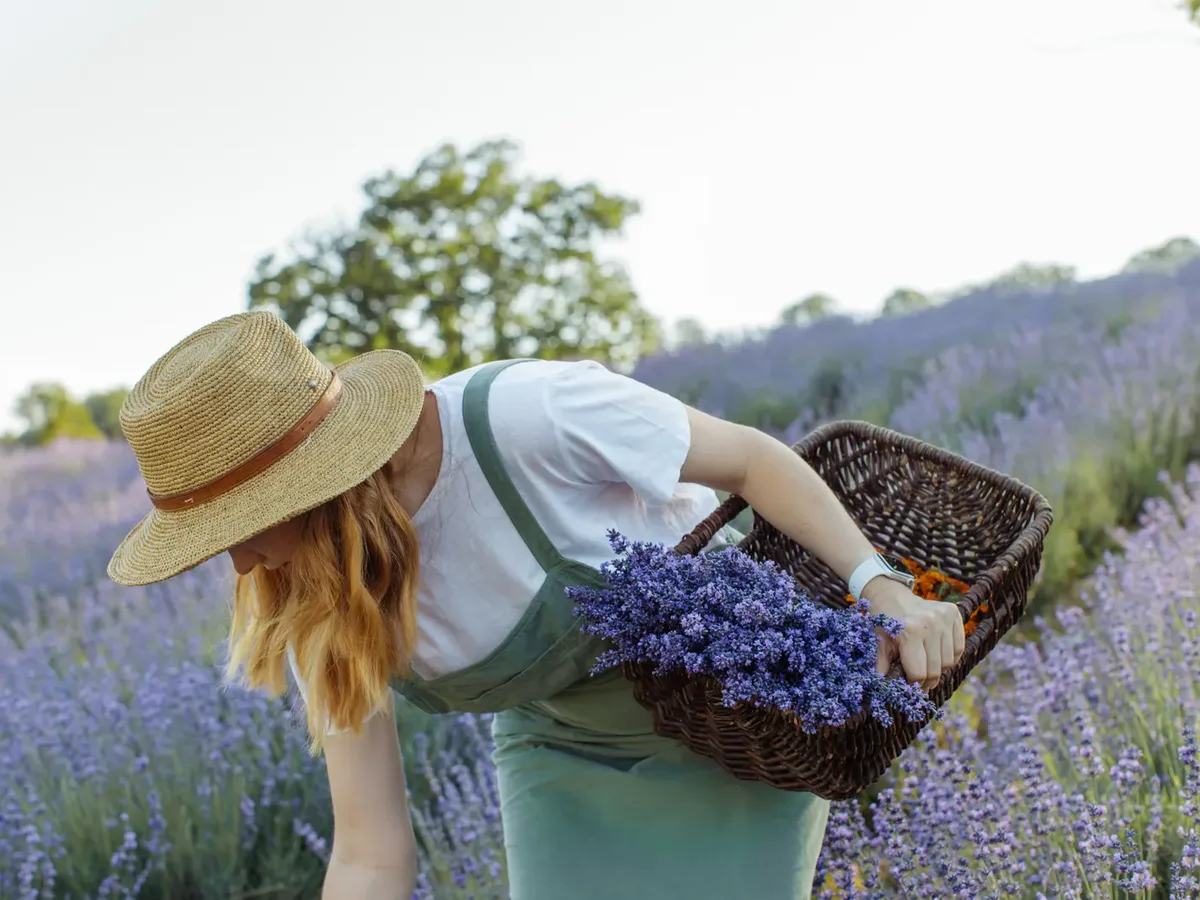
Harvest flower stems when buds are just opening and colour is strong, usually on a dry morning after dew has dried. Cut stems with secateurs, tie them in small bundles, and hang them upside down in a cool, airy place out of direct sun to dry. Dried lavender keeps its scent for months and can be used in sachets, drawers, or simple arrangements.
For cooking, use only culinary lavender varieties and use sparingly — a little goes a long way in baking and infusions. Always check that plants have not been sprayed with garden chemicals before using flowers for food or scented products.
Lavender also works well as a companion in mixed borders. It pairs naturally with roses in sunny beds, where both enjoy sun and good drainage, and it can edge paths in the same way as other easy flowers for sunny gardens. Mulching with gravel, rather than thick organic matter, is one of the topics covered in our guide to mulching your garden, which explains when different mulch types help and when they hinder.
Frequently Asked Questions
Why did my lavender die over winter?
Winter loss is usually caused by wet soil rather than cold alone. Lavender in heavy, waterlogged soil rots at the roots. Improve drainage, plant on a mound or in a raised bed, and avoid organic mulch piled against the crown.
Can I grow lavender indoors?
Lavender can grow indoors for a time if it gets very bright light — a south-facing windowsill in the northern hemisphere, or north-facing in the southern hemisphere — and free-draining soil. Most plants do better outdoors long-term, where light and airflow are stronger.
How often should I water established lavender?
Established plants in the ground often need watering only in prolonged dry spells. In containers, check soil moisture regularly in summer and water when the top few centimetres are dry. Always let excess water drain away.
Should I cut lavender back hard in spring?
No. Avoid cutting into old, leafless wood. Prune lightly after flowering, removing flower stems and a little leafy growth, and give only a light tidy in spring to remove any frost-damaged tips.
Does lavender attract bees?
Yes, lavender is popular with bees and other pollinators when in flower. Planting it near vegetable gardens and other flowers can help support pollination in the wider garden.
Conclusion
Lavender succeeds when you match its Mediterranean preferences: full sun, free-draining soil, and watering that lets the soil dry between drinks. Choose a hardy variety for your climate, prune lightly each year after flowering, and resist the urge to overfeed or overwater. Treated that way, lavender will give you years of scent, colour, and pollinator-friendly flowers with very little fuss.