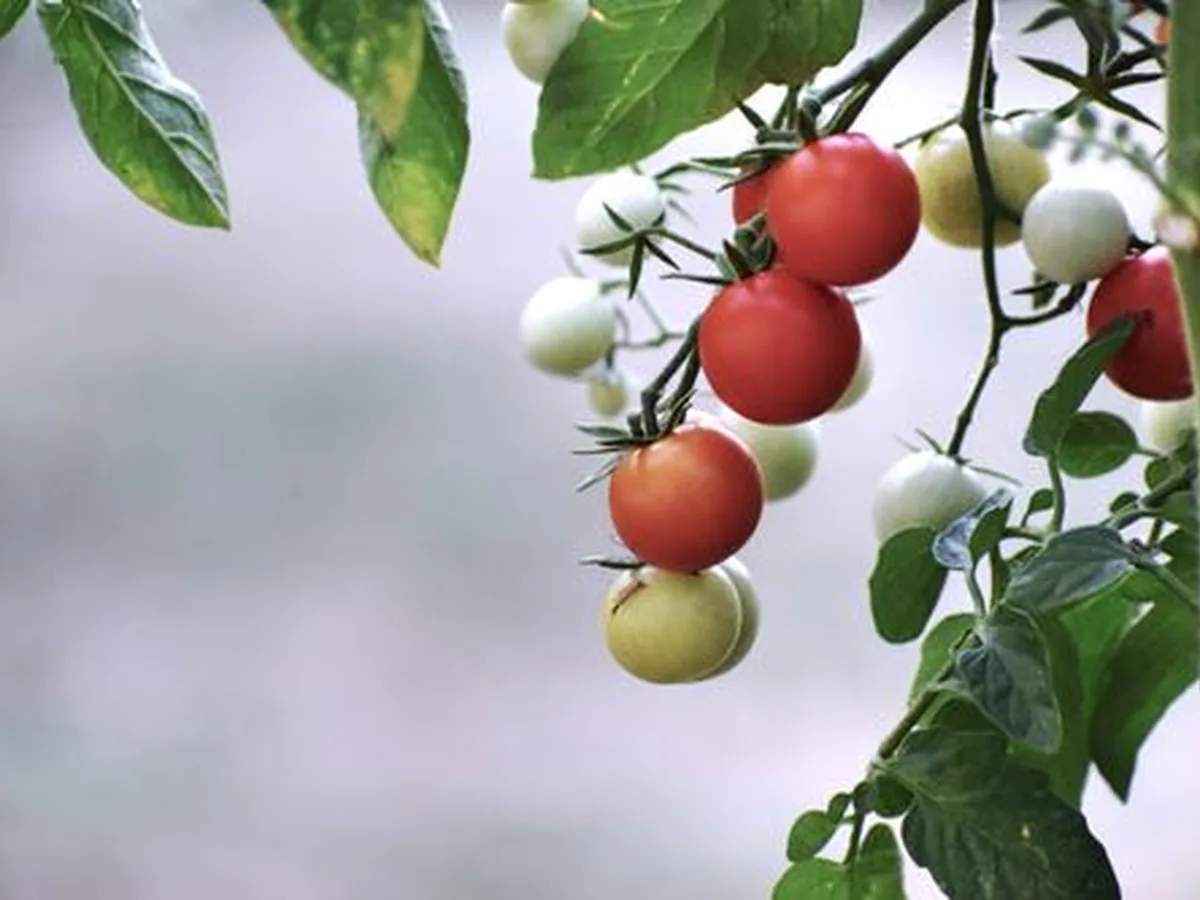
There is a good reason tomatoes are often the first vegetable people grow at home. They are productive, they respond well to a little care, and the flavour of a tomato picked ripe from your own plant is noticeably different from one that has travelled a long way to a shop shelf. Tomatoes will grow in garden beds and in containers, which makes them suitable for small gardens, patios, and balconies, provided they get enough sun and steady water.
This guide covers choosing a variety, planting, supporting, watering, and harvesting tomatoes at home, in beds and in pots. It focuses on practical habits that keep plants healthy through the season rather than on chasing a perfect crop.
Choose a Variety That Suits Your Space
Tomato varieties fall broadly into two growth habits. Indeterminate, or cordon, varieties keep growing and fruiting through the season and need staking and regular pruning. Determinate, or bush, varieties grow to a set size, fruit over a shorter period, and need less support. Bush varieties are often easier for containers and small spaces, while indeterminate varieties suit gardeners who want a steady harvest over many weeks.
Cherry tomatoes are a forgiving choice for beginners. They tend to crop generously, ripen reliably, and are useful in salads and cooking. Larger slicing tomatoes need a longer warm season and more consistent watering to avoid problems such as splitting. If you are unsure, start with one cherry variety and one larger variety and compare how they perform in your garden.
Where and When to Plant
Tomatoes need full sun — ideally six to eight hours of direct sun a day — and shelter from strong wind. A spot against a sunny wall or fence works well, because the wall reflects warmth and makes staking easier. In a garden bed, choose soil that drains freely and has been enriched with compost. In a container, use a large pot, at least 30 litres for a single plant, filled with good-quality potting mix rather than garden soil, which compacts in pots.
Tomatoes are warm-season plants and are damaged by frost. Plant them out only after the risk of frost has passed in your area, and after seedlings have been hardened off — gradually exposed to outdoor conditions over a week or so — if they were raised indoors. In cooler climates, a greenhouse, cold frame, or sheltered sunny wall can extend the season. In Australia and the southern hemisphere, planting times are reversed compared with northern hemisphere guides, so follow local timing for your region.
Planting Well From the Start
Plant tomatoes a little deeper than they were in their pot. Tomatoes can form roots along a buried stem, so setting the seedling deeper gives a stronger root system. Space plants to allow air to circulate: roughly 45 to 60 centimetres apart for bush varieties and a little wider for tall cordon types, depending on the variety. Crowded plants stay damp, which encourages disease.
Water thoroughly after planting and mulch around the base with straw or compost, keeping mulch away from the stem. Mulch helps soil stay moist and reduces splashing, which can spread soil-borne disease onto lower leaves.
Many beginners find it simpler to buy healthy seedlings for their first season and try seed-raising later.
Support, Pruning, and Training
Most tomatoes need support. A sturdy stake, a tomato cage, or strings tied to an overhead support all work, provided the support is put in at planting time rather than forced in later when roots are established. Tie stems loosely with soft twine or fabric strips, leaving room for the stem to thicken.
For indeterminate varieties, removing side shoots — the small shoots that appear where a leaf joins the main stem — helps keep the plant to one or two main stems and directs energy into fruit. Pinch these out when they are small, using fingers or clean secateurs. Bush varieties generally need less pruning; remove only damaged or yellowing leaves and any foliage touching the soil.
As plants grow, keep tying in new growth every week or so. A plant that is allowed to sprawl on the ground is more likely to suffer disease, slug damage, and rotting fruit.
Watering and Feeding
Consistent watering is the single most important habit for tomatoes. Irregular watering — long dry spells followed by heavy watering — contributes to splitting and to blossom end rot, where the bottom of the fruit darkens and rots. Water deeply at the base of the plant, aiming for evenly moist soil rather than wet and dry cycles. Morning watering gives leaves time to dry during the day.
Containers dry out faster than garden beds, especially in hot or windy weather, and may need daily watering at the height of summer. Check the soil with a finger before watering: if the top few centimetres are dry, water; if it is still damp, wait.
Feed tomatoes once they start flowering and setting fruit. A balanced liquid tomato feed, applied at the rate on the label, is sufficient for most home gardens. Avoid heavy nitrogen feeding once fruit is forming, as this encourages leafy growth at the expense of fruit. Compost in the soil before planting provides a good base, and a light mulch top-up during the season helps too.
Common Problems and What to Do
Tomatoes can run into a few common issues, most of which are easier to prevent than to fix once established.
- Blossom end rot: Dark, sunken patches on the bottom of fruit, often linked to irregular watering rather than a simple lack of calcium in the soil. Keep watering steady and mulch to hold moisture.
- Splitting: Fruit cracks after a dry spell followed by heavy watering or rain. Steady watering and mulching reduce the risk. Pick fruit that is nearly ripe before heavy rain if you can.
- Blight and leaf spots: Fungal diseases are more likely in damp, crowded conditions. Space plants well, water at the base, remove affected leaves promptly, and avoid working with wet plants.
- Pests: Aphids, whitefly, and caterpillars are common. A strong spray of water, hand-picking, and encouraging beneficial insects will deal with most problems in a home garden. Natural pest control methods are usually enough for small plantings.
If a plant becomes badly diseased, remove it rather than letting disease spread to neighbours. Clean tools and supports before the next season.
Harvesting and Storing
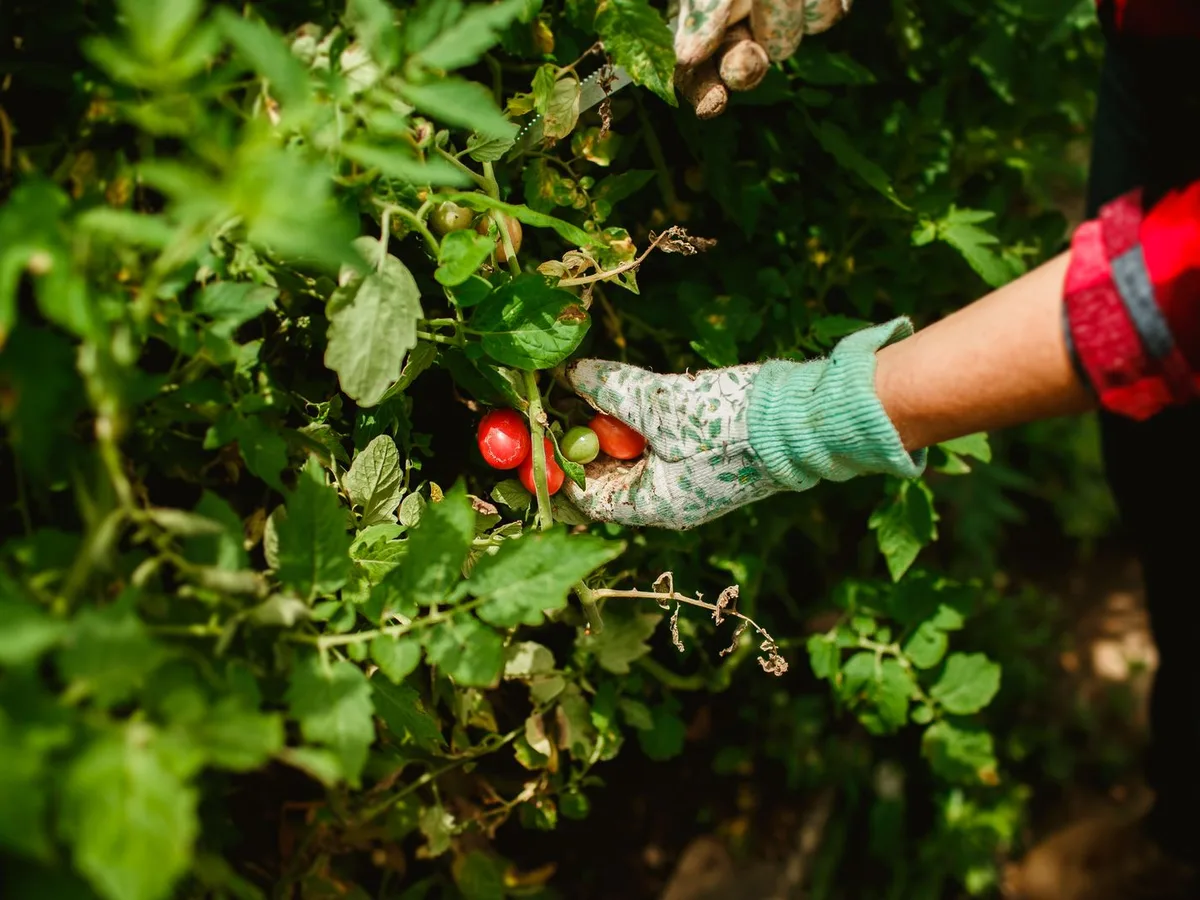
Pick tomatoes when they are fully coloured and slightly soft to the touch. Fruit picked at this stage has the best flavour, and regular picking encourages the plant to keep producing. If frost threatens at the end of the season, pick green tomatoes and ripen them indoors in a paper bag with a banana, which gives off ethylene gas that speeds ripening.
Store ripe tomatoes at room temperature, not in the fridge, for the best flavour. Tomatoes keep for a few days once ripe, and excess fruit can be cooked into sauces, roasted, or frozen for later use.
Frequently Asked Questions
How often should I water tomatoes?
Water deeply when the top few centimetres of soil feel dry, aiming for evenly moist soil. Containers in hot weather may need daily watering, while beds usually need watering every few days.
Do tomatoes need full sun?
Yes. Tomatoes need six to eight hours of direct sun a day for good fruiting. Plants in shade will grow but produce fewer and less flavourful fruit.
Should I prune tomato plants?
Prune side shoots from indeterminate (cordon) varieties to keep them to one or two main stems. Bush varieties need little pruning beyond removing damaged leaves.
Why are my tomatoes splitting?
Splitting is usually caused by irregular watering — a dry spell followed by heavy watering or rain. Water steadily, mulch to hold moisture, and pick nearly ripe fruit before heavy rain.
Can I grow tomatoes in pots?
Yes. Use a pot of at least 30 litres for one plant, good-quality potting mix, a sturdy support, and regular watering and feeding. Bush and cherry varieties are often easiest in containers.
Conclusion
Tomatoes reward steady, simple care: a sunny spot, a large enough pot or a well-prepared bed, a support put in early, and watering that keeps the soil evenly moist. Choose a variety that suits your space, start with healthy seedlings if you are new, and keep an eye on plants as they grow.
Once you have the basics, tomatoes become one of the most satisfying vegetables to grow at home. If you are just getting started, read our guide to starting a vegetable garden for beginners, and if you want another warm-season crop to try, consider growing peppers.