Dahlias are generous plants. From a single tuber planted in spring, you can get months of large, colourful flowers through summer and into autumn, in almost every colour except true blue. They work in borders, in cutting gardens, and — with the right variety and pot — on patios and balconies. They do need a little more care than the toughest annuals, mainly around frost, staking, and winter storage, but none of it is complicated.
Choosing Dahlias for Pots or Beds
Dahlia varieties range from small bedding types under 30 centimetres tall to giants over 1.5 metres. For pots, choose compact or medium varieties, usually labelled as patio or bedding dahlias, and avoid tall dinner-plate types unless you have a very large container and a sheltered spot. For beds, you have more freedom, but still check mature height so tall varieties go at the back of a border and do not shade smaller plants.
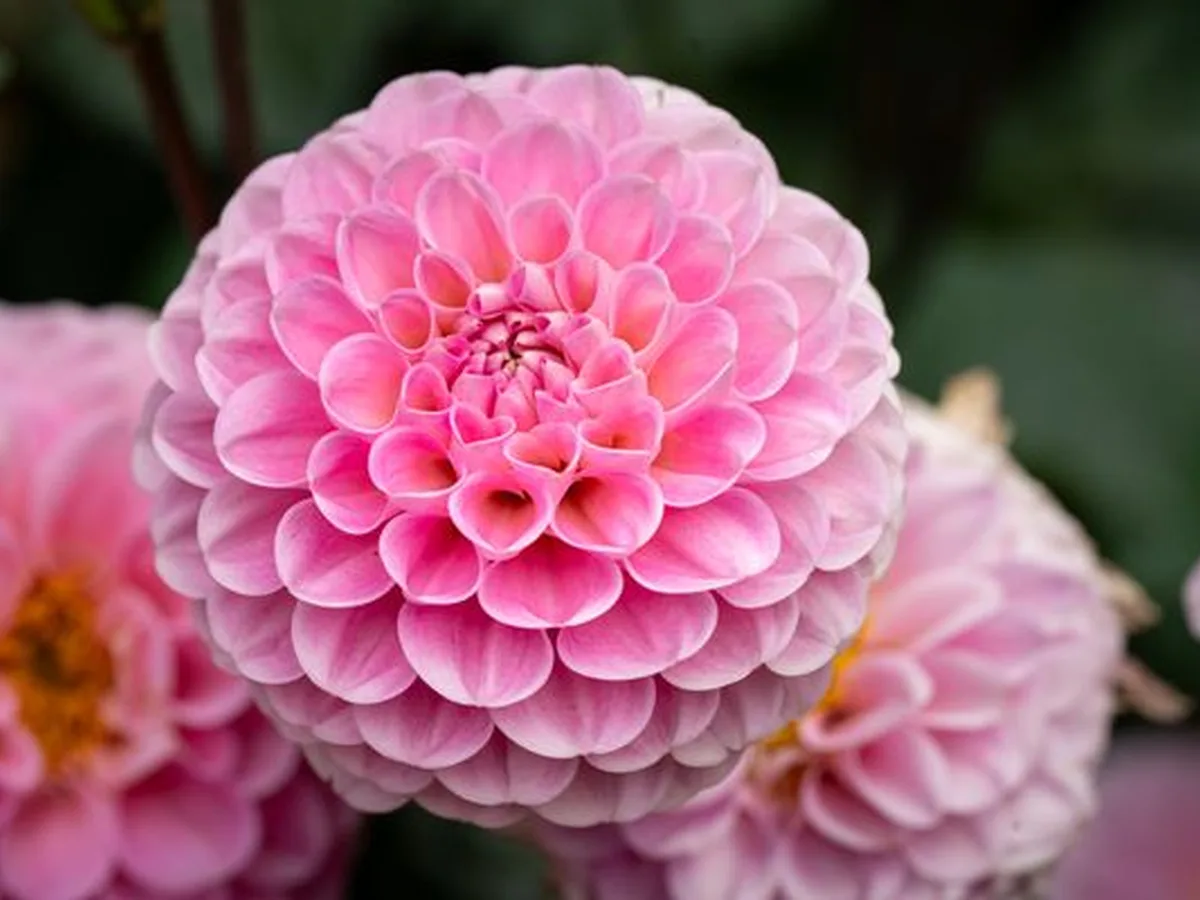
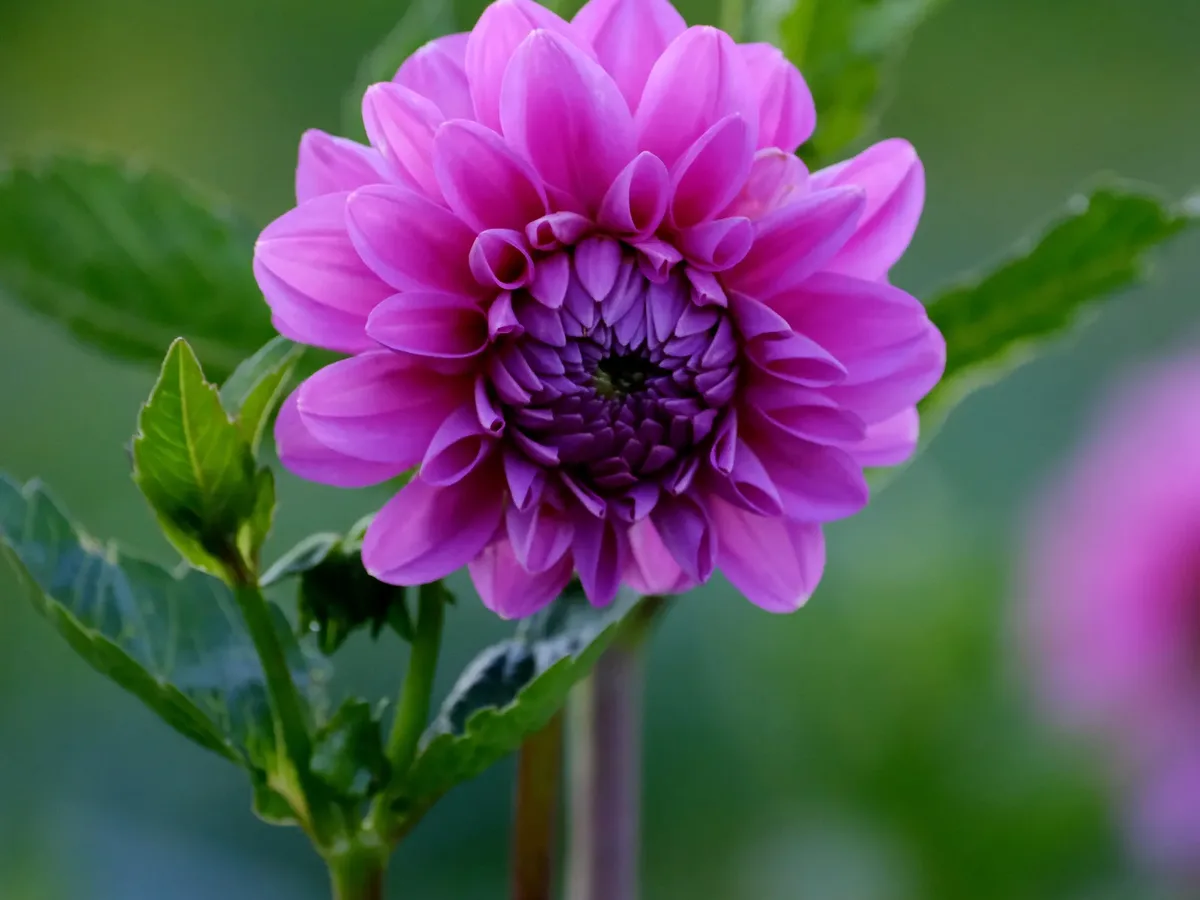
Flower form varies widely, from simple single flowers that bees love, to pompons, cactus types with rolled petals, and large decorative blooms. Single and open-centred types are generally best for pollinators, while fully double types are showier for cutting. Colour choice is personal, but mixing one or two colours with foliage plants often looks more polished than planting every colour at once.
You can buy dahlias as tubers in late winter and spring, or as young plants in pots once frost has passed. Tubers are cheaper and offer a wider choice, but they need starting off before planting out. Potted plants are more convenient if you are short on indoor space or time.
Starting Tubers and Planting Out
Dahlias are frost-tender, so timing matters. In most climates, start tubers indoors in early to mid-spring, or wait and plant them directly outdoors after the last frost. In the southern hemisphere, reverse the seasons: start tubers in spring there, after frost risk has passed.
To start indoors, place each tuber in a pot of moist potting mix, with the stem end just above the surface, and keep it in a bright, frost-free place. Water sparingly until shoots appear, then water more regularly. Harden plants off gradually — moving them outside for increasing periods over a week or so — before planting out permanently.
When planting in beds, choose a sunny spot with fertile, well-drained soil enriched with compost. Plant tubers about 10 to 15 centimetres deep, with shoots pointing up, and space them according to variety: compact types 30 to 45 centimetres apart, taller types 60 to 75 centimetres apart. Water well after planting.
For pots, use a container at least 30 centimetres wide for compact varieties, and larger for medium types, with drainage holes and good potting mix. One plant per pot is usually best, so roots have room and watering stays even. Pots dry out faster than beds, so check moisture regularly in summer.
Watering, Feeding, and Staking
Dahlias like consistent moisture during growth and flowering, but they dislike waterlogged soil. Water deeply at the base, especially in dry spells, and mulch beds to conserve moisture. In pots, water when the top few centimetres of mix feel dry, and ensure excess water drains freely.
Feed regularly through the season. A balanced liquid feed every two weeks, or a slow-release fertiliser at planting time, supports the heavy flowering dahlias are known for. Avoid very high-nitrogen feeds, which can produce leafy plants with fewer flowers and weaker stems.
Staking is essential for taller varieties and helpful even for medium ones. Insert a stake at planting time, before roots spread, so you do not damage tubers later, and tie stems loosely as they grow. A plant that falls over in wind or under the weight of its own flowers is hard to rescue tidily, while a staked plant keeps flowering well.
Pinching out the growing tip of young plants, when they have a few pairs of leaves, encourages bushier growth and more flowering stems. It delays flowering slightly, but usually produces a fuller plant with more blooms overall. This is optional for very compact varieties, which branch naturally.
Deadheading and Cutting for Vases
Deadheading dahlias regularly is one of the most effective ways to extend flowering. Remove spent blooms promptly, cutting back to a leaf joint or a side bud, so the plant puts energy into new flowers rather than seed. The more you pick — for deadheading or for vases — the more dahlias tend to flower.
For cutting, pick flowers in the cool of the morning when blooms are fully open, cut stems at an angle, and place them in water promptly. Dahlias do not last as long in a vase as some other flowers, but regular picking keeps the plant productive. For a fuller guide to the technique across flower types, see how to deadhead flowers for longer blooms.
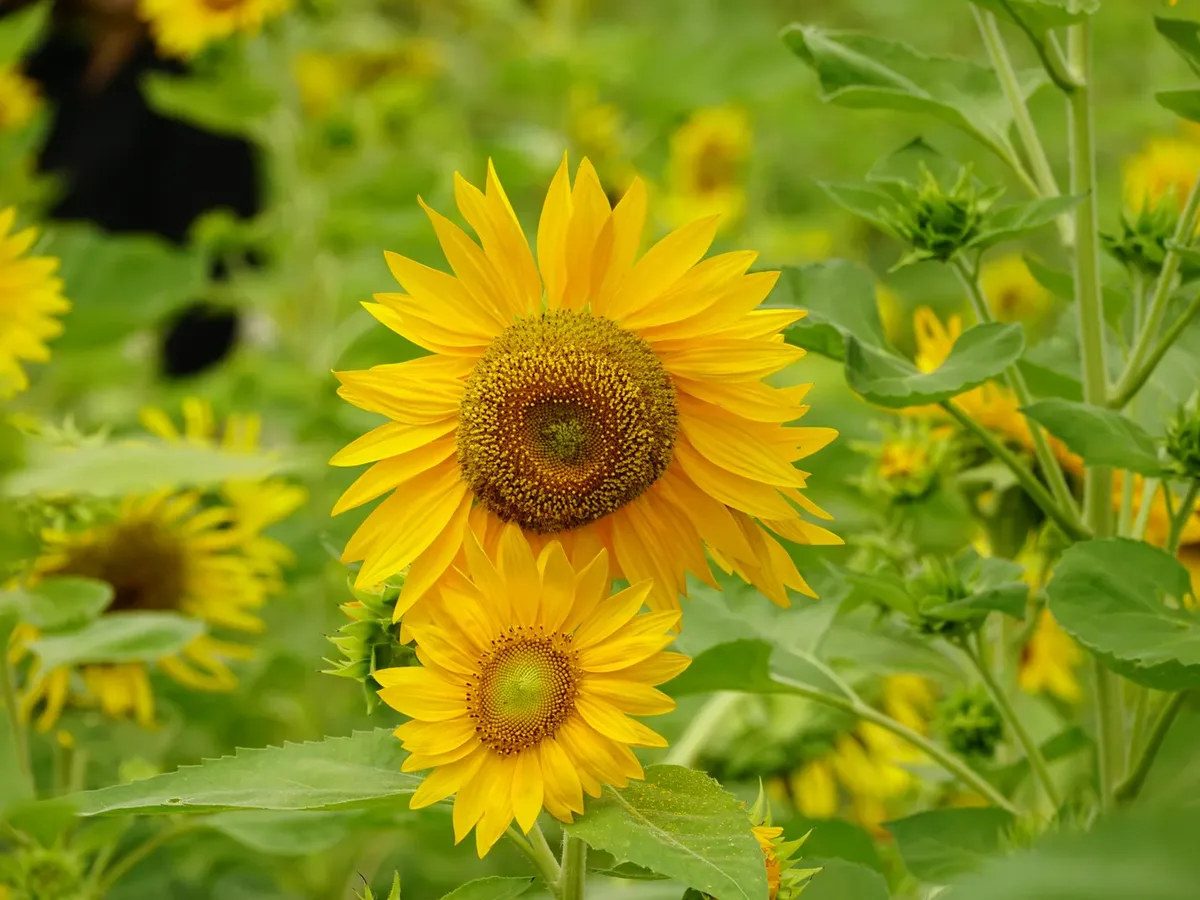
Dahlias also combine well with other summer flowers. In a sunny bed, they follow on from sunflowers grown from seed and flower alongside late summer perennials, extending colour into autumn when many spring and early summer plants have finished. Mulching around dahlias helps retain moisture and suppress weeds; our guide to mulching your garden explains which materials suit flower beds best.
Overwintering Dahlias
In mild, frost-free climates, dahlias can often stay in the ground over winter, protected by a thick mulch layer. In areas with frost, tubers are usually lifted after the first frost blackens the foliage. Cut stems down to about 15 centimetres, lift tubers carefully with a fork, and let them dry for a few days in a cool, airy place.
Store tubers in a frost-free, dry place — a shed, garage, or cool room — in trays of dry compost, vermiculite, or paper, checking occasionally for rot or drying out. Discard any soft or mouldy tubers. Label varieties clearly, because tubers look alike once out of the ground and you will not remember which was which by spring.
In spring, check stored tubers for shoots, discard any that have failed, and start healthy tubers again as described above. With care, the same tubers can be grown for several years, though vigour may decline over time and division of large clumps every few years helps rejuvenate them.
Frequently Asked Questions
Can I grow dahlias in pots successfully?
Yes, provided you choose compact or medium varieties, use a large pot with drainage, water regularly, and feed through the season. Tall varieties in small pots tend to become top-heavy and dry out quickly.
When should I plant dahlia tubers?
Plant outdoors after the last frost, or start tubers indoors a few weeks earlier and transplant after frost. In frost-free climates, planting can be earlier, but tubers still need warm soil to grow well.
Why are my dahlias not flowering?
Common causes include too little sun, overcrowding, insufficient feeding, or planting tubers too late. Check that plants get at least six hours of sun, space them well, feed regularly, and deadhead spent blooms to encourage new ones.
Do I have to lift dahlias every winter?
Not in mild, frost-free areas, where mulched tubers can stay in the ground. In frost-prone areas, lifting and storing tubers indoors is the safer option and protects your investment for next year.
Are dahlias good for bees?
Single and open-centred varieties are good for bees and other pollinators, because nectar and pollen are accessible. Fully double varieties are less useful to pollinators, though they are showier for cutting.
Conclusion
Dahlias ask for sun, fertile and well-drained soil, steady watering and feeding, staking for taller types, and protection from frost in winter. In return, they give one of the longest and most colourful flower displays available to home gardeners, in beds or in pots. Start with a variety suited to your space, deadhead regularly, and lift tubers where winters are cold — and dahlias will quickly become a plant you look forward to growing each year.