Not every home has a bright, south-facing window, and that does not mean you have to give up on indoor plants. Many popular houseplants come from forest floors and shaded spots where direct sun rarely reaches them. They have adapted to make the most of filtered light, which makes them a good match for flats, offices, and rooms where the sun only visits for part of the day.
This guide looks at the best low-light indoor plants for beginners, how to tell whether a spot is truly low light, and how to keep these plants healthy without overwatering or overfeeding them.
What Counts as Low Light?
Low light does not mean no light. It usually means a spot a few metres from a window, a north-facing room, or a corner that gets soft, indirect light for part of the day. A plant in low light can usually still see the sky from its pot, even if the sun never shines directly on its leaves.
If a room is dark enough that you need a lamp on during the day to read comfortably, it is probably too dark for most plants. In that case, a simple grow light or a brighter spot nearby can make a big difference, especially in winter.
The plants below cope better than most with these conditions, but they still need some light, consistent watering, and a pot with drainage holes.
Best Low-Light Plants for Beginners
Snake Plant
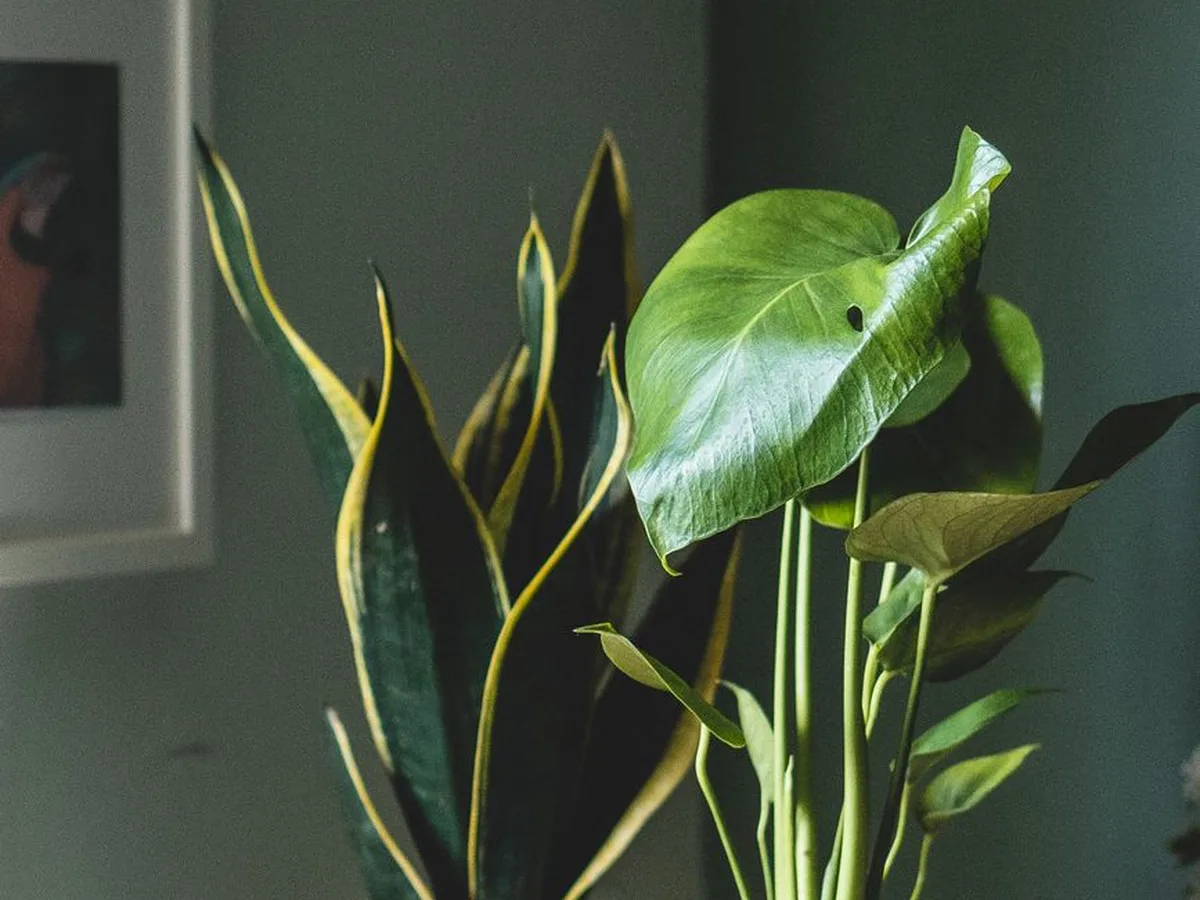
The snake plant is one of the toughest choices for a dim corner. Its upright, sword-shaped leaves store water, so it tolerates missed waterings better than most houseplants. It also copes with dry indoor air. Give it the brightest low-light spot you have, water only when the soil is dry, and avoid letting it sit in water. Our full snake plant care guide explains light, soil, and repotting in more detail.
Pothos
Pothos is a trailing plant with heart-shaped leaves in green, gold, or variegated patterns. It grows well in low to medium light and is easy to propagate from cuttings. Keep the soil lightly moist, trim long vines to keep the plant full, and place it where its trails can hang or climb. See our pothos care guide for step-by-step help.
ZZ Plant
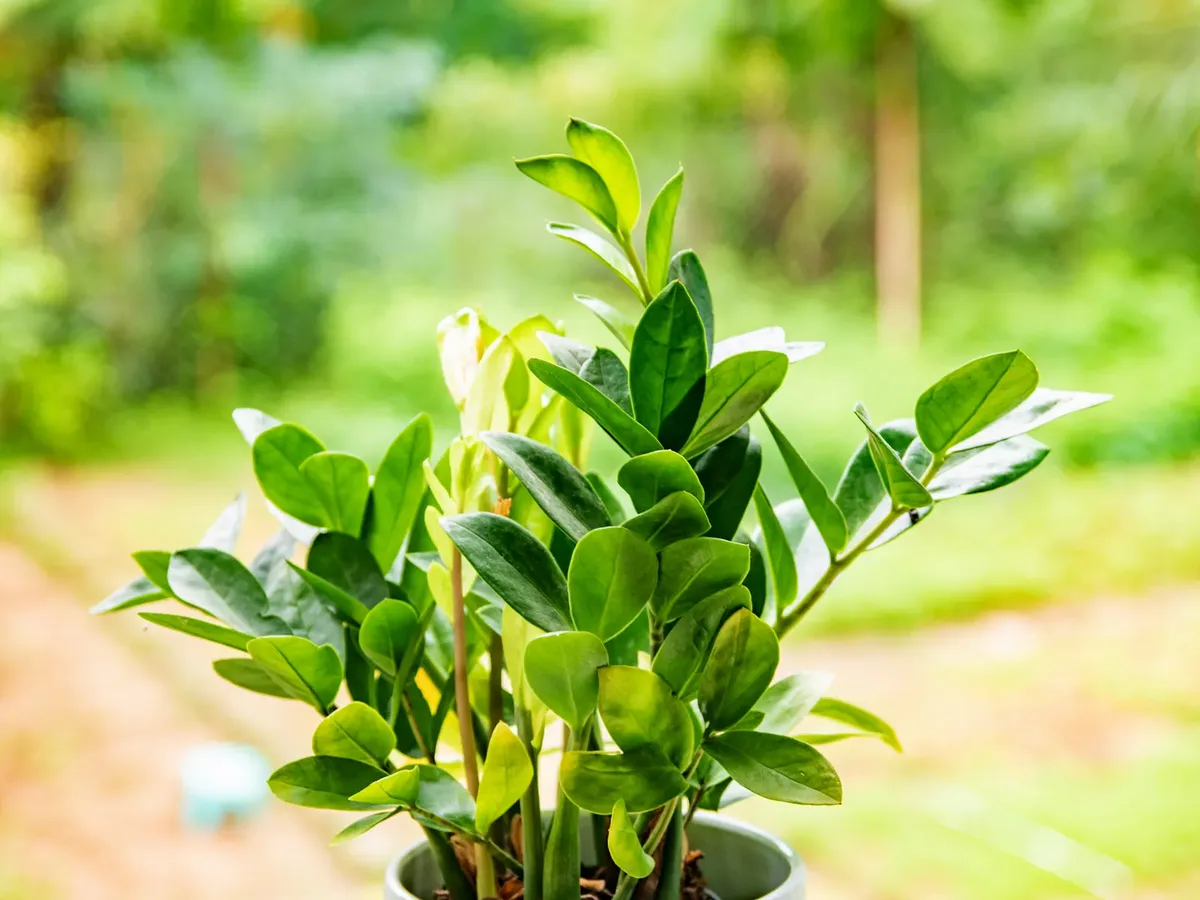
The ZZ plant has glossy, dark green leaves and thick underground rhizomes that store water. It is slow-growing and very forgiving, which makes it a good choice for offices and rooms that are not watered often. Water sparingly and use a well-draining mix.
Peace Lily
Peace lilies produce white flowers and broad, dark green leaves. They prefer low to medium light and will droop noticeably when they need water, which makes them easier to read than many plants. Keep the soil evenly moist, but not soggy, and remove spent flowers to keep the plant tidy.
Cast Iron Plant
As its name suggests, the cast iron plant is famously tough. It tolerates low light, irregular watering, and cooler rooms better than most houseplants. Growth is slow, so do not expect rapid change, but it is a reliable choice for a shaded hallway or corner.
Spider Plant
Spider plants are easy to grow and produce small plantlets on long stems, which can be potted up as new plants. They cope with low to medium light, although variegated types keep their colour better with a little more light. Water when the top of the soil feels dry.
Philodendron
Heart-leaf philodendron is a trailing plant with soft, heart-shaped leaves. It grows well in low light, is easy to propagate, and can be trained up a moss pole or allowed to trail from a shelf. Avoid overwatering and give it a pot with drainage.
How to Help Low-Light Plants Thrive
Low-light tolerance does not mean a plant needs no care. A few simple habits will help it stay healthy.
- Water less often, but check first. Soil dries slowly in low light, so wait until the top few centimetres feel dry before watering. For more detail, see our guide on how to water indoor plants without overwatering them.
- Keep leaves clean. Dust blocks light, so wipe large leaves with a damp cloth every few weeks.
- Rotate occasionally. Turn the pot every few weeks so growth stays even and the plant does not lean heavily toward the window.
- Feed lightly. A weak liquid feed once a month in spring and summer is usually enough. Too much fertiliser can burn roots, especially in low light.
- Watch for stretching. Long gaps between leaves or pale new growth can mean the plant needs a brighter spot, even if it is still surviving.
Common Mistakes to Avoid
One common mistake is giving a low-light plant a bright, sunny windowsill in the hope that more light will help. Many of these plants scorch in direct sun, so move them back if leaves turn pale or brown at the edges.
Another is watering on a fixed schedule. A plant in a dim room may need water far less often than the same plant in a bright room, so always check the soil first.
Finally, do not expect fast growth. Low-light plants often grow slowly, and that is normal. Judge health by leaf colour, firmness, and new growth, rather than by how quickly the plant gets bigger.
Frequently Asked Questions
Can low-light plants survive with no natural light at all?
Most still need some light to grow. A room with no windows will usually need a grow light, even for tolerant plants such as snake plants and ZZ plants.
How often should I water low-light plants?
It depends on pot size, soil, and room temperature, but many need water only every 2–3 weeks in low light. Always check the top few centimetres of soil first.
Do low-light plants need fertiliser?
Only lightly. Feed sparingly in spring and summer and skip feeding in winter, when growth slows.
Which low-light plant is best for a complete beginner?
Snake plants, pothos, and ZZ plants are among the easiest because they tolerate missed waterings and a range of indoor conditions.
Conclusion
The best low-light indoor plants for beginners are those that cope with soft light, dry air, and occasional missed waterings. Start with a snake plant, pothos, or ZZ plant, place it where it can see the sky, water only when the soil is dry, and give it time to settle. With those basics in place, even a dim room can support healthy, attractive houseplants.