Starting a vegetable garden does not require a large plot, years of experience, or a shed full of equipment. It requires a sunny spot, soil that drains well, a realistic plan, and a willingness to learn from the first season. Many beginners make the same mistake: they plant too much, too soon, in a spot they chose for convenience rather than sunlight. A smaller garden that you can look after properly will teach you more — and feed you better — than a large one that quickly becomes overgrown.
This guide walks through the decisions that matter most in the first year: where to put the garden, what to grow, how to prepare the soil, and how to look after plants week by week. Keep it simple, start small, and build from what works in your own garden.
Choose the Right Spot
Sunlight is the first thing to check. Most vegetables need at least six hours of direct sun a day to grow well. Leafy greens can manage with a little less, but tomatoes, peppers, cucumbers, and other fruiting vegetables will struggle in shade. Watch your garden through a day before you decide. A spot that looks sunny at breakfast may be shaded by a fence or tree by afternoon.
Other practical points matter too:
- Water access: Choose a spot within easy reach of a tap or watering can. Carrying water across the garden gets old fast, especially in dry weather.
- Drainage: Avoid the lowest point of the garden, where water collects after rain. Soil that stays soggy will rot roots and slow growth.
- Wind: A sheltered spot is easier on young plants. If your garden is exposed, a fence, hedge, or temporary windbreak can help.
- Access: Leave paths wide enough to walk, weed, and harvest comfortably. You will visit this patch often, so make it easy to reach.
If you only have a balcony, patio, or small yard, containers are a perfectly good starting point. Pots, grow bags, and troughs let you garden in a sunny corner without digging a bed at all.
Start Small and Grow What You Like to Eat
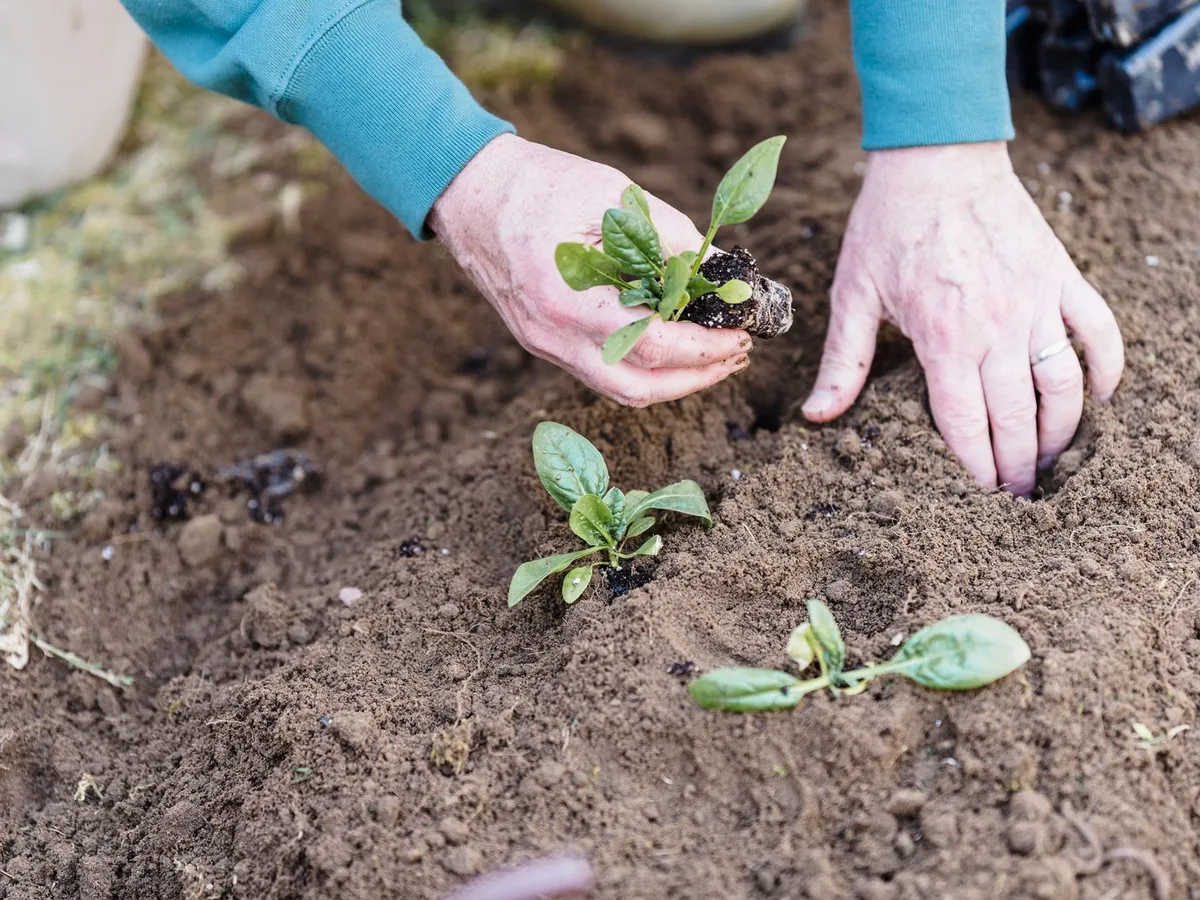
It is tempting to plant one of everything, but a first garden works best with a short list. Choose vegetables you actually enjoy eating and that are forgiving for beginners. Lettuce, radishes, beans, zucchini, tomatoes, and herbs such as basil are common first choices because they grow fairly quickly and show you results early.
A bed of about 1.2 metres by 2.4 metres, or a few large containers, is plenty for a first season. That size is easy to water, weed, and harvest without it becoming a chore. You can always add another bed next year once you know how much time you enjoy spending in the garden.
Before buying seeds or seedlings, check what grows well in your local season. Garden centres and local gardening groups are useful sources for this, because planting calendars vary a great deal by climate. In Australia and other southern hemisphere locations, the seasons are reversed compared with the northern hemisphere, so a guide written for spring in the UK or North America will not match your autumn. Use local advice for timing, and treat general guides as a starting point rather than a fixed calendar.
Prepare the Soil
Good soil is the foundation of a vegetable garden. Most vegetables prefer loose, crumbly soil that holds moisture but drains freely, with plenty of organic matter mixed in. Heavy clay soil can be improved with compost and organic matter over time, and very sandy soil benefits from the same treatment because compost helps it hold water and nutrients.
To prepare a new bed:
- Clear weeds, grass, and stones from the area.
- Loosen the soil with a fork to about a spade’s depth, breaking up large clods.
- Mix in well-rotted compost or aged manure. This feeds the soil life that in turn feeds your plants.
- Rake the surface level and let it settle for a few days before planting, if you can.
Avoid working soil when it is soaking wet, as this can compact it and damage its structure. If you are building a raised bed, you can fill it with a mix of topsoil and compost rather than digging into the ground below. Raised beds are a popular option for beginners because they warm up quickly and are easier to keep weed-free.
Seeds or Seedlings?
Both have their place. Seeds are cheaper and offer a wider choice of varieties, and some vegetables — such as carrots, beans, and peas — grow best sown directly where they will grow. Seedlings from a garden centre give you a head start and are easier for slow-growing vegetables such as tomatoes and peppers.
A practical approach for beginners is to mix the two: buy seedlings for tomatoes and peppers, and sow lettuce, radishes, and beans directly. Read the seed packet for sowing depth and spacing. Crowded plants compete for light, water, and nutrients, so thinning seedlings to the recommended spacing is worth doing even though it feels wasteful at first.
Watering, Feeding, and Mulching
Water deeply and less often, rather than with a light sprinkle every day. Deep watering encourages roots to grow down into the soil, which makes plants more resilient in dry spells. Water in the morning when you can, so leaves dry during the day and disease is less likely. In containers, check soil moisture daily in warm weather, because pots dry out much faster than beds.
Vegetables are hungry plants. A dressing of compost at planting time, plus a liquid feed every few weeks during the growing season, is enough for most crops. Follow the instructions on the product, because overfeeding can damage plants and pollute runoff. Improving your soil naturally with compost and organic matter will reduce how much extra feeding you need over time.
Mulch helps in several ways: it keeps moisture in the soil, suppresses weeds, and protects roots from heat. A layer of straw, shredded leaves, or compost around plants, kept a little away from the stems, is a simple and effective mulch.
Dealing with Pests and Problems
Most problems in a first garden are minor and manageable. The key is to check plants regularly so you spot trouble early, before it spreads. Yellow leaves, holes in leaves, and wilting can all have simple causes, such as dry soil, overwatering, or a pest feeding on the plant.
For slugs and snails: beer traps, copper tape, and picking them off at dusk can all reduce damage, and keeping the garden tidy removes their daytime hiding places.
Look for natural predators first, and use the gentlest control that works. A strong spray of water can remove aphids, and hand-picking caterpillars is often enough in a small garden. Avoid broad-spectrum insecticides, which also kill the beneficial insects that help keep pests in check. If a plant is badly diseased, it is usually better to remove it and improve conditions for the next crop than to keep treating it.
Good spacing, airflow, and watering at soil level rather than on leaves all help prevent disease. Rotating crops — not growing the same family of vegetables in the same spot year after year — also reduces the build-up of soil-borne pests and diseases.
A Simple Weekly Routine
A little, often, is the secret to keeping a vegetable garden productive without it taking over your week. A short visit every few days is better than a long session once a month.
- Water: Check soil moisture and water deeply where needed, especially in dry or windy weather.
- Weed: Pull small weeds while they are easy to remove, before they set seed.
- Check: Look under leaves and at stems for pests, disease, and signs of stress.
- Feed: Apply liquid feed when crops are growing strongly, following the label.
- Harvest: Pick crops as they become ready. Regular picking often encourages plants to produce more.
This routine takes less time than most beginners expect, and it keeps you in touch with what your plants need. It also means you catch problems early, when they are easiest to fix.
Frequently Asked Questions
How much sun does a vegetable garden need?
Most vegetables need at least six hours of direct sun a day. Leafy greens can manage with a little less, but fruiting crops such as tomatoes, peppers, and cucumbers need full sun to produce well.
How often should I water vegetables?
Water when the top few centimetres of soil feel dry, and water deeply so moisture reaches the roots. In hot weather, containers may need watering daily, while beds usually need watering every few days.
What is the easiest vegetable to grow for beginners?
Lettuce, radishes, beans, and zucchini are among the easiest, because they germinate reliably and grow quickly. Herbs such as basil are also forgiving and useful in the kitchen.
Do I need a raised bed to grow vegetables?
No. Vegetables grow well in ground-level beds and in containers too. Raised beds are popular because they warm up quickly, drain well, and are easier to work, but they are an option, not a requirement.
How do I stop slugs eating my vegetables?
Pick slugs off at dusk, use beer traps or copper tape, and keep the garden tidy to remove hiding places. Protect young seedlings especially, as they are most vulnerable.
Conclusion
Starting a vegetable garden is less about doing everything perfectly and more about starting with good basics: sun, soil, water, and a manageable size. Choose crops you like to eat, prepare the soil well, water deeply, and check your plants regularly.
Keep your first garden small, choose crops you enjoy, and learn from what works in your own soil and climate. If you want an easy next step, try growing tomatoes at home.