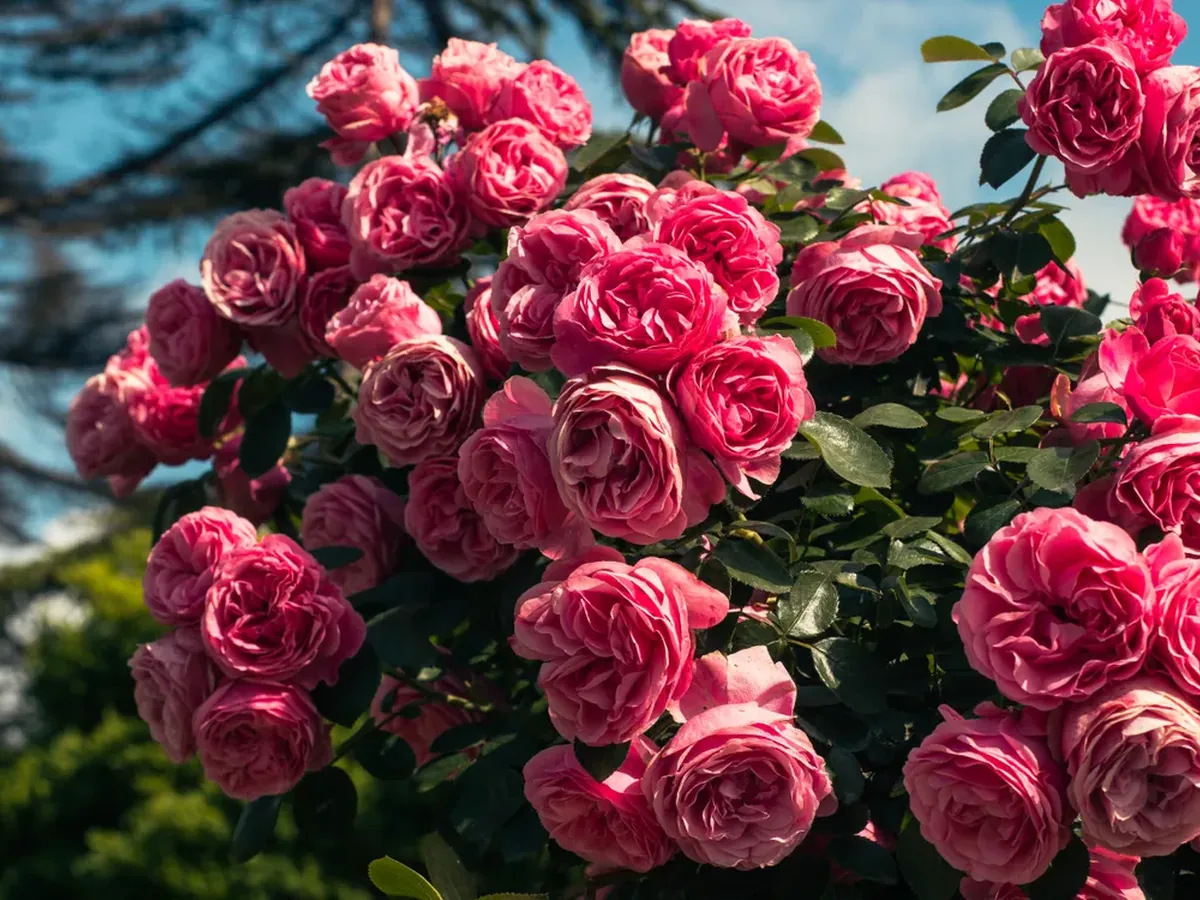
Roses have a reputation for being difficult, and that reputation puts many new gardeners off before they start. In practice, modern garden roses are far more forgiving than the old stories suggest. Choose a variety suited to your space, plant it well, and give it sun, water, and a yearly prune, and you will have a plant that rewards you for years. This guide covers the basics without assuming any prior experience.
Choosing the Right Rose for Your Garden
Start with the space you have, not with a picture in a catalogue. A rose that grows to two metres tall will not suit a small front border, and a climbing rose needs a wall, fence, or arch to grow against. Check the expected mature size on the label before you buy, and leave room for air to move around the plant.
For beginners, shrub roses and floribundas are usually the easiest starting point. Shrub roses tend to be sturdy and free-flowering, while floribundas produce clusters of blooms over a long season. Hybrid tea roses give the classic long-stemmed flower, but some varieties need a little more attention to stay healthy. If disease is a worry in your area, look for varieties described as disease-resistant — that single choice can save a lot of work later.
Think about scent and colour, too, but do not let them override practicality. A strongly scented rose near a seating area or path is a pleasure every day, while a repeat-flowering type will give you blooms through the season rather than one short flush. Local nurseries are useful here: staff can usually tell you which varieties cope well in your climate and soil.
Where and When to Plant
Roses need sun. Aim for a spot that receives at least six hours of direct sun a day. Morning sun is especially helpful because it dries dew from the leaves early, which can reduce fungal problems. Avoid low spots where cold air and water collect, and avoid planting directly under large trees that will compete for water and light.
Soil should drain well but hold some moisture. Roses dislike sitting in waterlogged ground, yet they also suffer if the soil dries out completely in summer. Digging in well-rotted compost or aged manure before planting improves both drainage and moisture retention, and it gives the roots a better start than planting into poor, compacted soil alone.
In mild climates, autumn and early winter are good planting times for bare-root roses, because the plant can settle its roots while it is dormant. In colder areas, or if you are buying a potted rose, spring planting works well once the soil has warmed a little. In Australia and other southern hemisphere regions, these seasons are reversed: plant bare-root roses in late autumn and winter there, and potted roses in spring.
How to Plant a Rose
Whether your rose arrives bare-root or in a pot, the planting steps are similar. Dig a hole wider than the root system and deep enough that the graft union — the knobbly join near the base of the stems — sits just below soil level in most climates, or slightly above it in very cold areas where frost may damage it. Loosen the soil at the bottom of the hole so roots can spread.
- Soak bare roots in a bucket of water for a few hours before planting. For potted roses, water the pot well and gently ease the plant out.
- Spread the roots out in the hole rather than leaving them tangled in a ball.
- Backfill with the soil you removed, mixed with compost, firming gently as you go to remove large air pockets.
- Water thoroughly, even if rain is forecast, so the soil settles around the roots.
- Mulch around the base with bark or compost, keeping the mulch a few centimetres away from the stems.
Space roses generously. Good airflow matters more than filling every gap in the first year. A plant that looks small now will fill out, and crowded roses are more prone to mildew and black spot.
Watering and Feeding
New roses need regular watering until established, usually through their first growing season. After that, deep, less frequent watering is better than a light sprinkle every day. Water at the base of the plant, aiming for the soil rather than the leaves, and water in the morning when you can. A deep soak once or twice a week in dry weather is a useful starting point, adjusted for your soil and rainfall.
Feed in spring as growth begins, and again after the first main flush of flowers if you are growing a repeat-flowering variety. A balanced rose fertiliser or a general garden fertiliser used at the label rate is enough. Avoid overfeeding, which can produce soft, leafy growth that is more vulnerable to pests and disease. Stop feeding late in the season so new growth has time to harden before cold weather.
Mulch helps here, too. A layer of organic mulch conserves moisture, suppresses weeds, and slowly improves the soil as it breaks down. Top it up once a year, usually in spring after feeding.
Pruning Without Fear
Pruning is the part most beginners worry about, but roses are resilient and a simple annual prune is enough for most types. Prune in late winter or early spring, just as buds begin to swell — in the southern hemisphere, that is late winter there. Remove dead, damaged, or crossing stems first, then shorten the remaining healthy stems by about a third to a half, cutting just above an outward-facing bud.
Use clean, sharp secateurs and make angled cuts so water runs off. Do not worry about getting every cut perfect; the plant will respond to a tidy, open shape. An open centre lets light and air in, which keeps the plant healthier. If you are unsure about a particular stem, it is usually safer to leave it for a season and observe than to cut the plant back hard.
Climbing roses are pruned a little differently: keep the main framework stems tied in horizontally where possible, since horizontal stems tend to flower more freely, and shorten side shoots each year. If your rose is a once-flowering old variety, prune it after flowering rather than in spring, so you do not remove the wood that would have bloomed.
Dealing With Common Problems
Black spot, mildew, and aphids are the problems most rose growers meet. Black spot shows as dark spots on leaves, often with yellowing around them; mildew appears as a white powdery coating. Neither usually kills an established rose, but both weaken it and spoil its appearance.
Prevention helps more than cure. Choose resistant varieties, give plants sun and airflow, clear fallen leaves from around the base, and avoid wetting the foliage when you water. If aphids cluster on new buds, a strong jet of water often dislodges them, and encouraging ladybirds and other beneficial insects helps keep numbers down. For persistent problems, ask a local nursery about products approved in your area, and follow label instructions carefully.
If a rose performs poorly in its first year, do not assume you have failed. Transplant shock, a dry spell, or a late frost can all slow establishment. Check the basics — sun, drainage, watering — before replacing the plant.
Companion planting can also make rose care easier. Lavender planted nearby, for example, suits similar sunny, well-drained conditions and can help fill a border while roses establish; see our guide on how to grow lavender at home for planting details. For seasonal colour around roses, spring bulbs planted in autumn can flower before roses leaf out fully. And once blooms fade, deadheading spent flowers encourages many repeat-flowering roses to bloom again.
Frequently Asked Questions
Do roses need full sun?
Most roses flower best in full sun, meaning at least six hours of direct sun a day. Some varieties tolerate light shade, but flowering is usually reduced and disease pressure can be higher in damp, shaded spots.
How often should I water a new rose?
Water deeply two or three times a week in dry weather during the first season, rather than lightly every day. Once established, reduce frequency and let the soil dry slightly between waterings, adjusting for rainfall and soil type.
When should I prune my roses?
For most repeat-flowering roses, prune in late winter or early spring as buds swell. Once-flowering roses are best pruned just after they finish blooming. Always remove dead or damaged wood first.
Why are my rose leaves turning yellow with black spots?
That pattern is often black spot, a common fungal disease. Improve airflow, clear fallen leaves, avoid wetting foliage, and consider a resistant variety next time. Affected leaves can be removed and disposed of rather than composted.
Can I grow roses in pots?
Yes, provided the pot is large — at least 40 to 50 litres for most shrub roses — with drainage holes and good potting mix. Potted roses need more frequent watering and feeding than those in the ground, and may need repotting every few years.
Conclusion
Growing roses comes down to a few steady habits: the right variety for your space, a sunny spot with well-prepared soil, deep watering, a yearly feed and prune, and a watchful eye for common problems. You do not need specialist knowledge to start, and each season teaches you more about how your particular plants behave. Start with one or two roses, get the basics right, and expand from there as your confidence grows.