
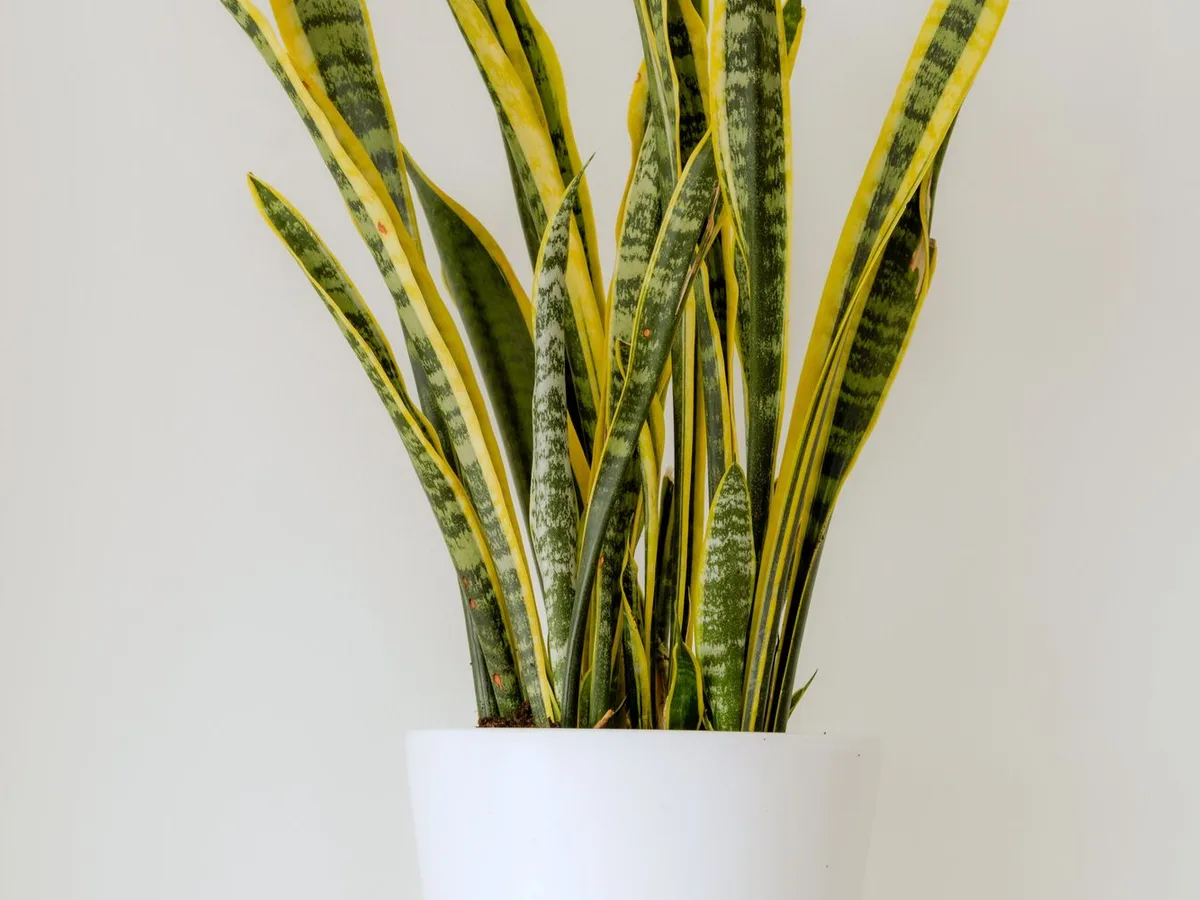
If you have ever killed a houseplant by loving it too much — watering it every few days, fussing over it, moving it around — the snake plant is the plant that forgives you. Sansevieria, now botanically grouped under Dracaena, is one of the toughest indoor plants available. Its stiff, sword-like leaves store water, its roots tolerate dry soil, and it keeps its shape with almost no pruning. That combination makes it the classic first plant for beginners, busy people, and anyone whose previous plants met an untimely end.
Snake plants come in many forms: tall green-and-yellow striped leaves, compact rosettes, cylindrical spears, and silvery varieties. Despite the variety, their care is remarkably similar. The golden rule is simple: less water, more patience.
Light
Snake plants are famous for tolerating low light, and they genuinely cope better in dim spots than most houseplants. They will survive in a north-facing room or a few metres from a window, though growth will be slow. For the best growth and strongest leaf colour, bright indirect light is ideal — near a window with filtered sun, or a short distance back from a sunny window.
Variegated varieties, with yellow or cream edges, need more light than plain green types to hold their markings. In very low light, new growth may revert to plain green. Direct, harsh midday sun can scorch leaves, especially if the plant has been in shade, so move a plant into brighter light gradually.
If you are choosing plants for a dim corner, snake plant is a strong starting point, and our guide to low-light indoor plants for beginners compares it with other shade-tolerant options.
Water: Less Is More
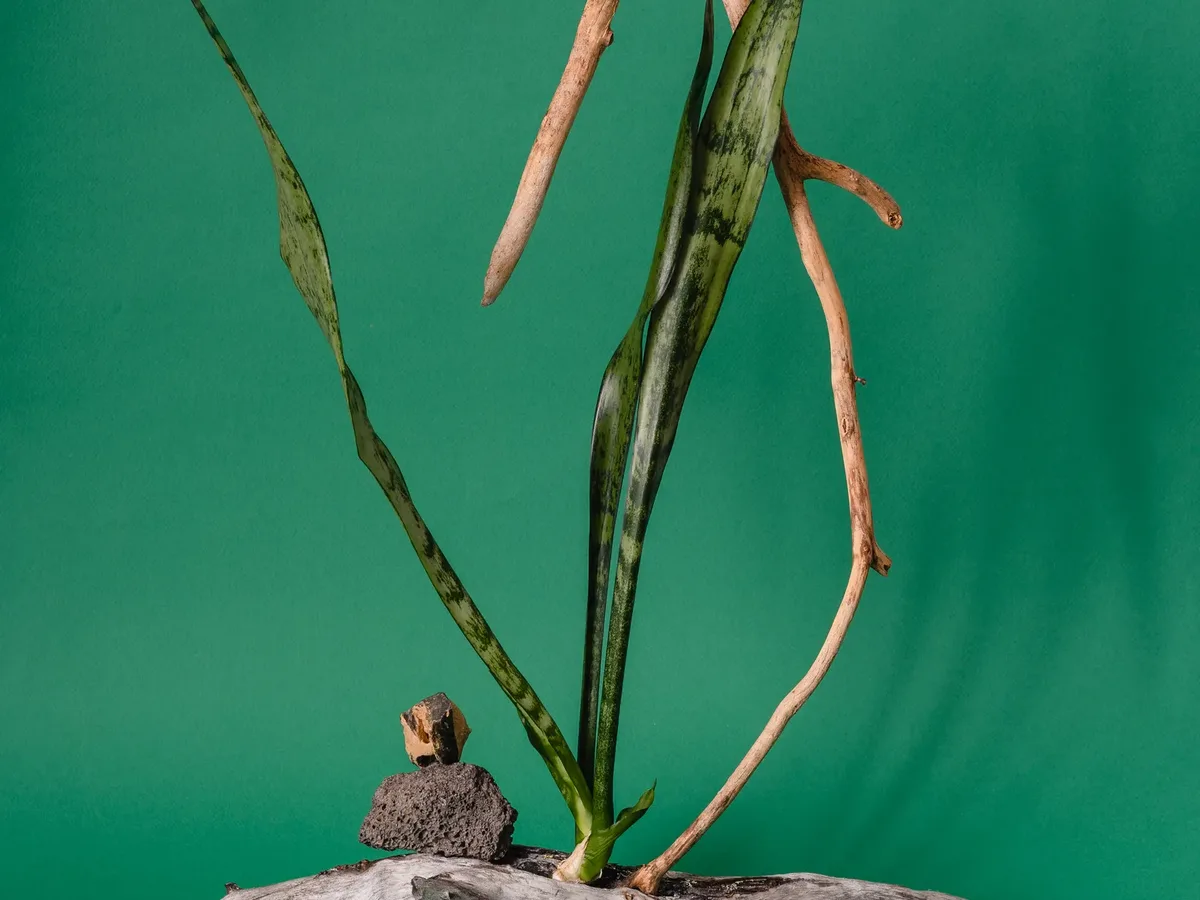
Watering is where most snake plants run into trouble, and the trouble is almost always too much water, not too little. The thick leaves and rhizomes store water, so the plant can go weeks without a drink. Water only when the soil has dried out well — not just the surface, but deeper down. In a warm, bright room that might mean every two to three weeks; in winter or low light, it can be once a month or less.
When you do water, water thoroughly until it runs from the drainage holes, then empty the saucer. Never leave a snake plant standing in water. The full method, and how to check soil moisture reliably, is explained in our guide on how to water indoor plants without overwatering them.
Signs of overwatering include soft, mushy leaves at the base, leaves that flop or fall over, and a foul smell from the soil. These are signs of rot, and they need prompt action: stop watering, let the soil dry, and if rot is advanced, remove the affected leaves and repot into dry, free-draining mix, trimming away any soft, black roots.
Underwatering is far less dangerous. Leaves may wrinkle slightly or curl inward, and the plant perks up after a good drink. When in doubt with a snake plant, waiting a few more days is almost always the safer choice.
Soil, Pot, and Drainage
Snake plants need soil that drains freely. A standard indoor mix with added perlite or coarse sand works well, and a cactus or succulent mix is also suitable. Heavy, water-retentive soil is the main thing to avoid, because it keeps the roots wet long after watering.
The pot must have drainage holes. A decorative pot without holes can be used as an outer cover, with the plant kept in a nursery pot inside, provided any collected water is emptied after watering. Terracotta pots are a good match for snake plants because their porous walls let soil dry a little faster, which suits a plant that prefers dry conditions.
Snake plants actually like being slightly snug in their pots. A pot that is far too large holds excess wet soil that the roots cannot use quickly, raising the risk of rot. Repot only when the plant is clearly root-bound or the pot is cracking under pressure from the rhizomes — often every two to three years, sometimes longer.
Temperature and Humidity
Snake plants prefer ordinary room temperatures and dislike cold draughts and frost. Keep them above about 10°C, and avoid placing them against a cold window in winter or in the path of an air-conditioning draught. They are not fussy about humidity and cope well with the dry air of centrally heated homes, which is another reason they suit beginners.
They do not need misting. In fact, water sitting in the centre of a rosette can encourage rot, so if you clean the leaves, wipe them with a damp cloth rather than spraying the plant, and avoid letting water pool where the leaves meet.
Feeding and General Care
Snake plants are light feeders. A diluted liquid houseplant fertiliser once or twice during the growing season — spring through early autumn in the northern hemisphere, roughly September to March in the southern hemisphere — is plenty. Many healthy snake plants receive no fertiliser at all and still grow steadily. Overfeeding is more likely to cause damage, in the form of brown leaf tips, than to help.
Cleaning is the main routine task. Dust the tall leaves with a damp cloth every few weeks to keep them looking glossy and to let them receive as much light as possible. Remove any fully yellow or damaged leaves at the base with clean scissors. New growth emerges from the centre of the rosette or as new shoots from the rhizome, so avoid damaging the growing tip.
Repotting and Propagation
When repotting becomes necessary, handle the plant gently but firmly — the leaves are sturdy, though they can snap if bent sharply. Shake off old mix, check the roots, trim any soft or black sections, and replant at the same depth in fresh, free-draining mix. Water lightly after repotting, then resume the usual pattern of letting the soil dry well between waterings. The step-by-step approach is covered in our guide to repotting indoor plants without stressing them.
Propagation is straightforward and satisfying. Leaf cuttings placed in water or soil will root, though new plants grown this way from variegated leaves often revert to plain green. Dividing a mature plant at the rhizome, keeping roots attached to each section, preserves variegation and gives you an instant new plant. Spring is the best time for both methods.
Common Problems
- Mushy, falling leaves: Almost always overwatering and root rot. Let soil dry, remove affected growth, and repot into dry mix if needed.
- Brown leaf tips: Can result from overwatering, overfeeding, or very hard tap water. Check watering first, then reduce feeding.
- Leaves leaning or flopping: Sometimes a sign of rot at the base, but tall varieties can also lean toward light. Rotate the pot regularly and check the base for softness.
- Slow or no growth: Normal in low light and winter. If the plant looks healthy otherwise, it is probably just resting or growing slowly, not failing.
- Pests: Snake plants are relatively pest-resistant, but mealybugs and spider mites occasionally appear. Wipe leaves and treat early before an infestation spreads.
As with many houseplants, snake plant is generally considered toxic to pets if ingested, so check whether a plant is considered toxic to pets before placing it within reach of cats or dogs, and keep it out of nibbling range where needed.
Frequently Asked Questions
How often should I water a snake plant?
Only when the soil has dried out well. For most homes that means every two to four weeks, depending on light, pot, and season. Always check the soil first; a fixed weekly schedule is usually too frequent for this plant.
Can a snake plant live in a dark room?
It can survive in low light better than most plants, but it still needs some daylight to grow. A dim room with a window is fine; a room with almost no natural light is not, unless you add a grow light.
Why are my snake plant leaves turning yellow and soft?
Soft, yellow leaves at the base usually mean overwatering and root rot. Stop watering, let the soil dry completely, and inspect the roots. Remove any mushy material and repot into dry, free-draining mix.
Do snake plants clean the air?
Snake plants, like all plants, take in carbon dioxide and release oxygen, but claims that a single houseplant meaningfully purifies a room’s air are overstated. Enjoy the plant for its looks and toughness, not as an air-purification device.
How do I make more snake plants?
Divide a mature plant at the rhizome in spring, or root leaf cuttings in water or soil. Division preserves variegation; leaf cuttings from variegated plants often grow plain green.
Conclusion
The snake plant earns its reputation as a beginner’s plant honestly: it tolerates low light, forgives forgotten watering, needs little feeding, and keeps a clean, architectural shape year-round. Its one real demand is restraint with the watering can. Give it bright indirect light if you can, a pot that drains, soil that dries between waterings, and otherwise leave it alone — and it will reward that benign neglect with steady, trouble-free growth for years.