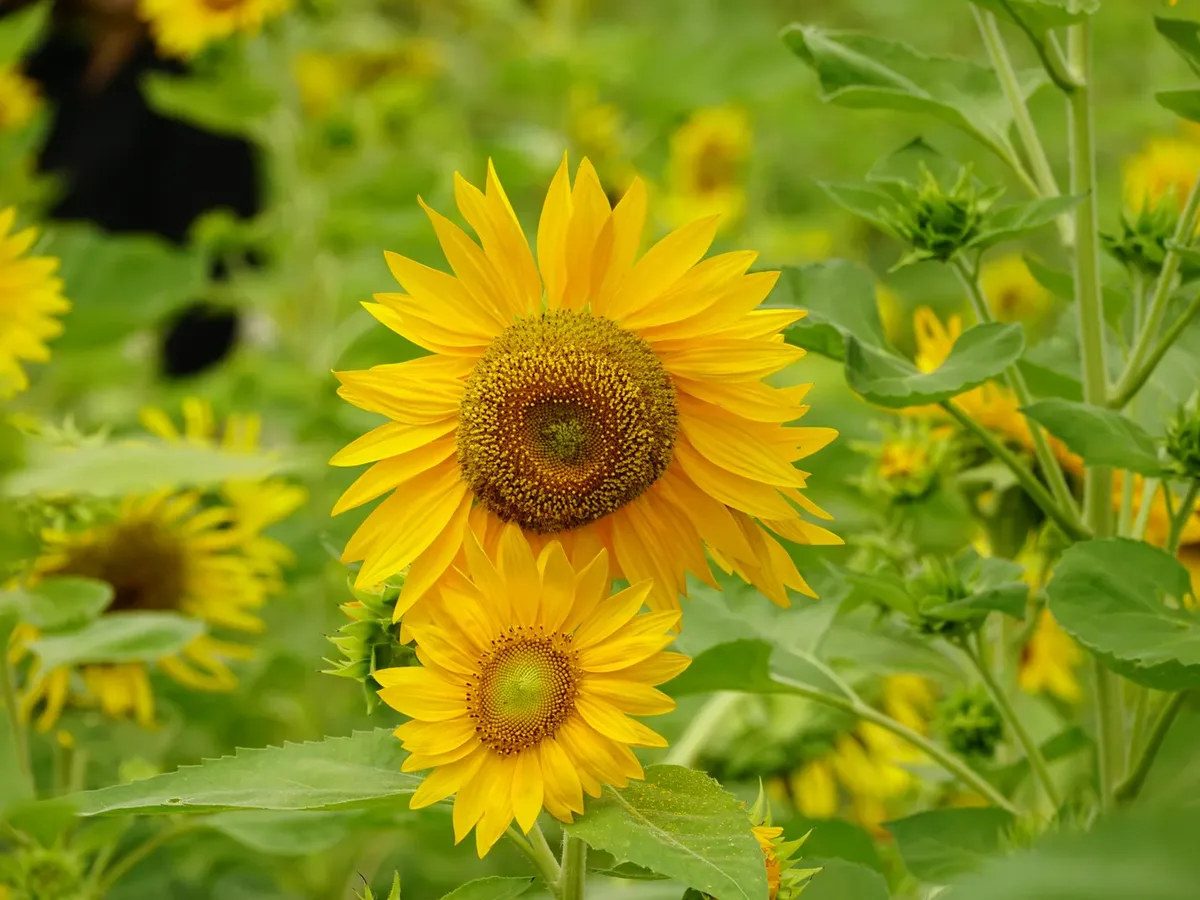
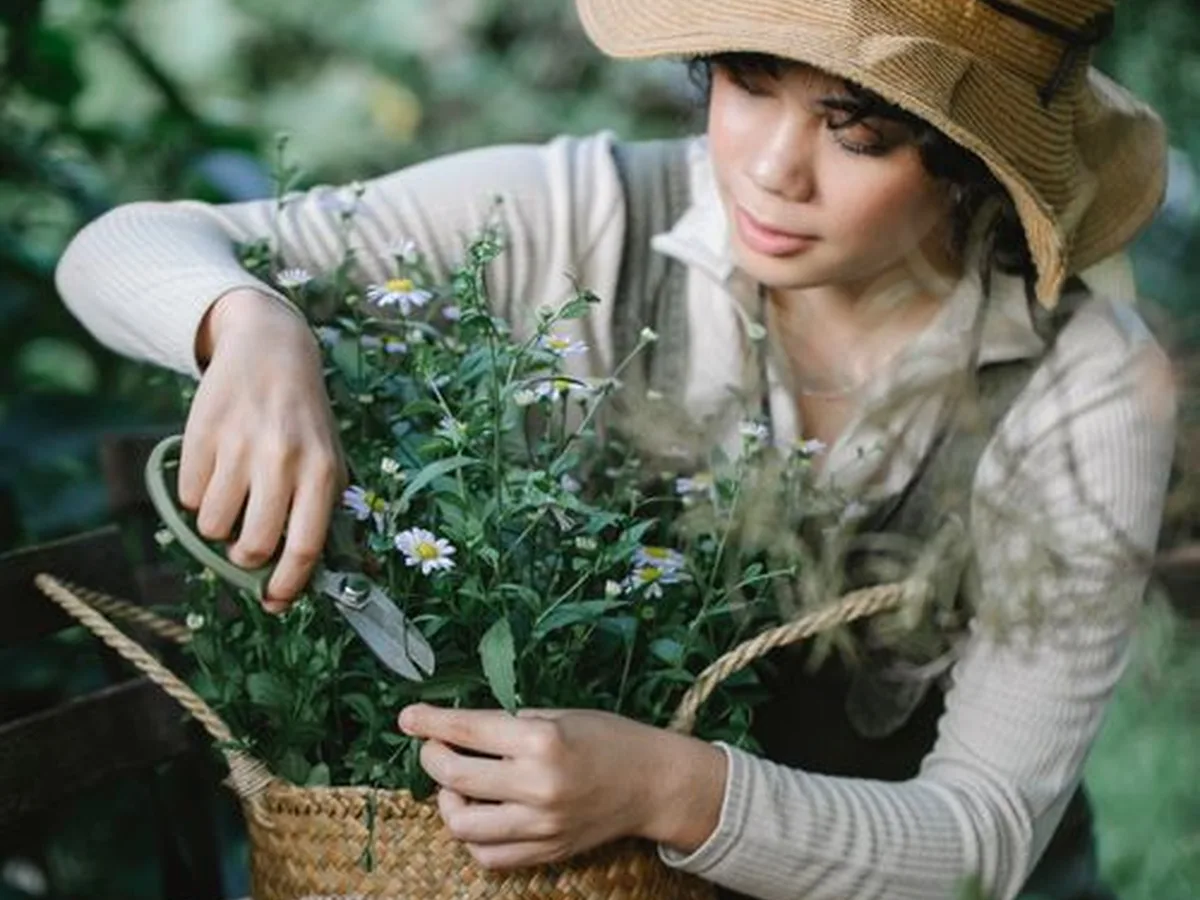
Deadheading is one of the simplest garden jobs, and one of the most useful. It means removing spent flowers before they set seed, and it encourages many plants to produce more blooms instead of putting energy into seed production. It also keeps beds looking tidy, reduces disease, and — for plants you cut for vases — it is essentially the same action as picking flowers. Once you know what to remove and where to cut, deadheading takes only a few minutes during a regular walk around the garden.
Why Deadheading Works
Many flowering plants, once pollinated, shift energy from making new flowers to making seeds. That is a natural survival strategy, but in a garden it often means flowering stops early. Removing the faded flower interrupts that shift and signals the plant to try again, producing side buds or a fresh flush of blooms.
Deadheading does not work for every plant. Some flowers bloom only once a season regardless of deadheading, and some are grown for their seed heads or autumn berries, which you would lose by deadheading. For repeat-flowering roses, dahlias, marigolds, zinnias, salvias, and many perennials, however, deadheading reliably extends the display.
There are other benefits, too. Removing faded, damp flower heads reduces places where grey mould and other diseases can start, especially in wet weather. It also prevents unwanted self-seeding, which matters for plants that spread aggressively if left to seed freely.
How to Deadhead: The Basics
For most flowers, the method is straightforward. Follow the flower stem down to the first set of healthy leaves or a side bud, and cut or pinch just above that point. Use secateurs for woody or thick stems, such as roses, and fingers or snips for soft-stemmed annuals where stems snap cleanly.
- Cut at an angle, just above an outward-facing leaf or bud, so new growth grows outward rather than into the centre of the plant.
- Remove the whole spent flower head, not just petals, so the seed-forming part is gone.
- Use clean, sharp tools to avoid tearing stems, which can invite disease.
- Collect removed heads and dispose of diseased material rather than composting it if disease is present.
- Deadhead little and often — a few minutes every few days — rather than leaving it for a large, infrequent clear-up.
For plants with many small flowers on one stem, such as lavender or some salvias, deadhead the whole spent spike back to leafy growth rather than picking individual florets. For plants that flower in clusters, remove individual faded flowers first, then the whole cluster once most flowers in it have finished.
Deadheading Different Flower Types
Roses
For repeat-flowering roses, cut the spent bloom back to the first strong, five-leaflet leaf below it, or to a side bud if one is visible. This encourages a new flowering shoot. For once-flowering roses, deadheading is mainly for tidiness, since they will not flower again that season — and some gardeners leave hips on those roses for autumn interest.
If you are new to roses, our beginner guide covers pruning, feeding, and disease prevention alongside deadheading; see how to grow roses for beginners.
Dahlias and Other Summer Flowers
Dahlias respond very well to deadheading, and cutting flowers for vases counts as deadheading. Cut spent blooms back to a leaf joint, and keep picking through the season to maintain flowering into autumn. The same principle applies to zinnias, marigolds, and cosmos: the more you remove faded flowers, the more the plant produces.
For dahlias specifically, regular deadheading, staking, and feeding work together; see how to grow dahlias in pots and beds for the full seasonal routine.
Perennials and Shade Plants
Many perennials benefit from deadheading after their first flush. Salvias, for example, often produce a second flush if spent spikes are cut back promptly. Hostas and other shade plants can be deadheaded after flowering to keep foliage looking tidy, though their flowers are often secondary to leaves. In shade beds, deadheading is less about forcing rebloom and more about neatness and preventing unwanted seeding.
For shade planting ideas that pair well with a light deadheading routine, see best flowers for shade gardens.
When Not to Deadhead
Deadheading is not always the right choice. Leave flowers alone if:
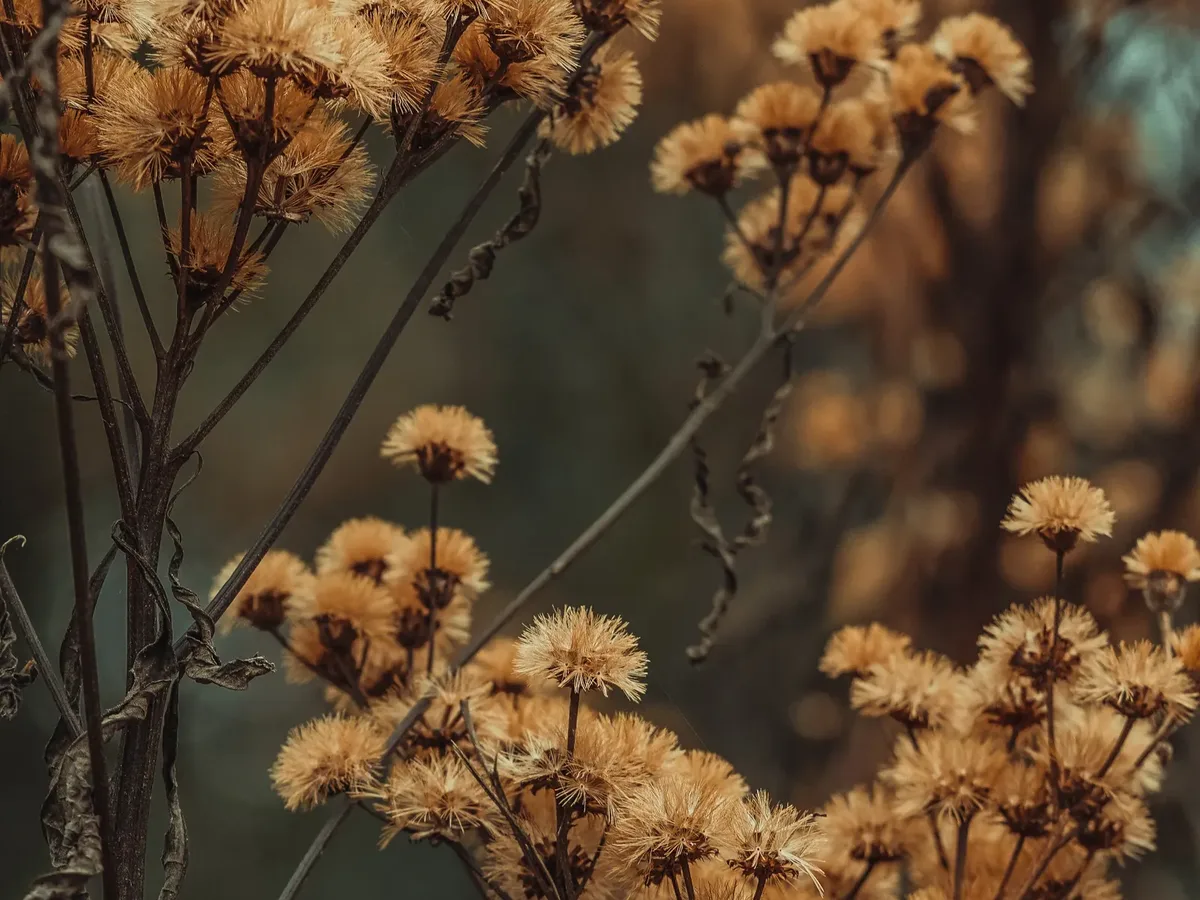
- The plant flowers only once a season and you want seed heads or berries for autumn and winter interest — for example, some grasses, sedums, and roses grown for hips.
- You want the plant to self-seed and naturalise, as with foxgloves or some wildflowers.
- The plant is grown for seed harvest, such as sunflowers left for birds or for saving seed.
- Deadheading would remove the main display, as with some spring bulbs where foliage, not flower removal, is the priority after blooming.
If you are unsure, deadhead half a plant and leave the other half, then compare results over the season. That small experiment tells you more about your specific varieties than any general rule.
Making Deadheading Part of Your Routine
The easiest way to deadhead consistently is to carry secateurs or snips on a regular garden walk, especially in summer when flowering is at its peak. A few minutes every few days is more effective than an occasional hour-long session, because flowers removed promptly do not waste plant energy on seed.
Combine deadheading with other quick checks: look for aphids on new growth, check soil moisture, and remove any yellowing leaves. That combined walk often catches problems early, when they are easiest to deal with.
Keep tools clean and sharp. Wipe blades between plants if you have been cutting diseased material, and sharpen secateurs periodically so cuts are clean rather than crushed. Clean cuts heal faster and reduce disease entry points.
Frequently Asked Questions
Does deadheading really make flowers bloom longer?
For many repeat-flowering plants, yes. Removing spent flowers prevents seed formation and encourages the plant to produce new buds. It does not make a once-flowering plant bloom again, but it can extend the season for roses, dahlias, zinnias, marigolds, and salvias.
Should I deadhead all flowers?
No. Deadhead repeat-flowering plants for longer blooms and tidiness, but leave plants grown for seed heads, berries, or self-seeding. Check whether your variety is repeat-flowering before deadheading routinely.
Where exactly should I cut?
Cut just above the first healthy leaf or side bud below the spent flower. For cluster flowers, remove faded individual blooms first, then the whole cluster when most have finished. For spiked flowers, cut the whole spent spike back to leafy growth.
Can I deadhead with my fingers?
Yes, for soft-stemmed annuals where stems snap cleanly. For woody stems, roses, and thicker perennials, secateurs give a cleaner cut and avoid tearing bark or stem tissue.
How often should I deadhead?
Little and often is best in peak season — every few days for fast-flowering annuals and dahlias, weekly for many perennials. A regular short session beats an infrequent large clear-up.
Conclusion
Deadheading is a small habit with a visible payoff. By removing spent flowers before they set seed, you help repeat-flowering plants keep blooming, keep beds tidy, and reduce disease and unwanted seeding. Learn the cut point for your main plants — just above a healthy leaf or bud — carry secateurs on a regular garden walk, and leave alone the plants you want for seed heads or berries. That simple routine will make almost any flower garden look better for longer.