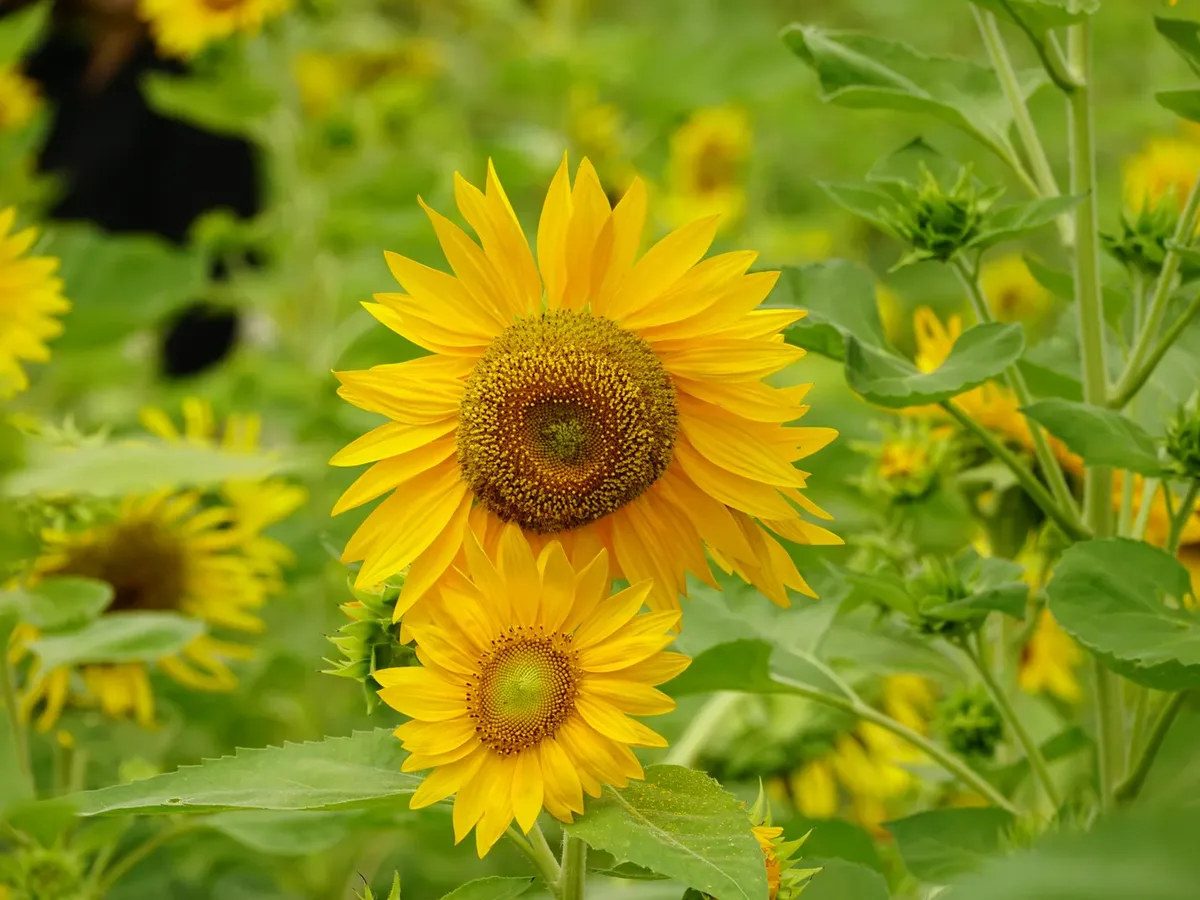
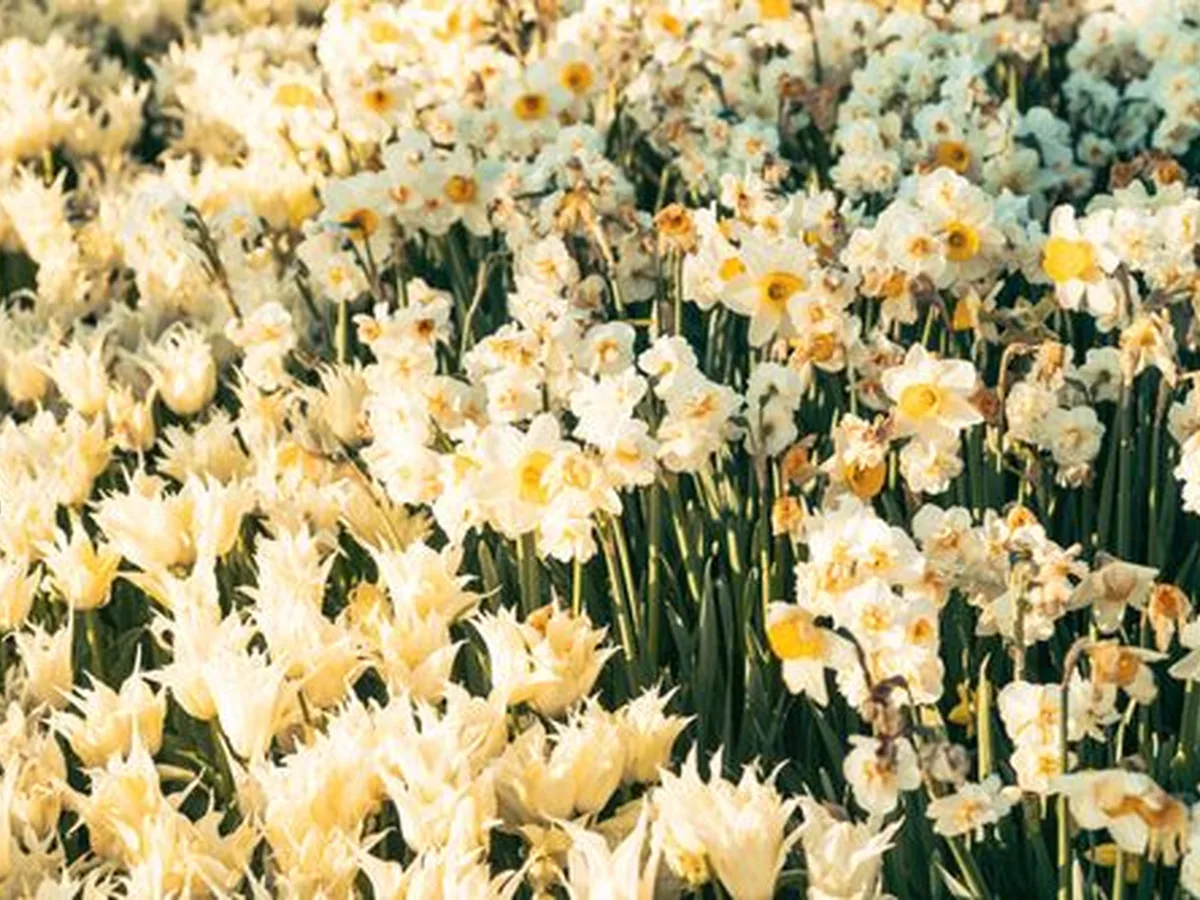
Spring bulbs are one of the most rewarding things a beginner can plant. You put a plain, papery bulb in the ground in autumn, do very little over winter, and in spring you get tulips, daffodils, crocuses, and hyacinths with almost no effort in between. The key is timing, depth, and letting the foliage do its work after flowering. Get those three things right and bulbs will return, and often multiply, for years.
Choosing Bulbs That Suit Your Garden
Start by buying firm, healthy bulbs. Avoid any that feel soft, mouldy, or badly damaged, and choose varieties suited to your climate. Daffodils and crocuses are generally reliable in a wide range of conditions and are good first choices. Tulips flower beautifully but in warmer climates they may perform best as a one-season display unless they receive enough winter chill.
Think about where bulbs will grow. Daffodils naturalise well in grass and under deciduous trees, where they get sun in spring before the canopy leafs out. Tulips and hyacinths suit formal beds and containers, where their upright form shows well. Small bulbs such as crocus, snowdrops, and grape hyacinths work in rockeries, along paths, and at the front of borders.
Also consider flowering time. Early crocuses and snowdrops open first, followed by daffodils, then tulips and alliums. Planting a mix across those groups stretches the display from late winter into late spring, rather than giving you one short burst.
When and Where to Plant
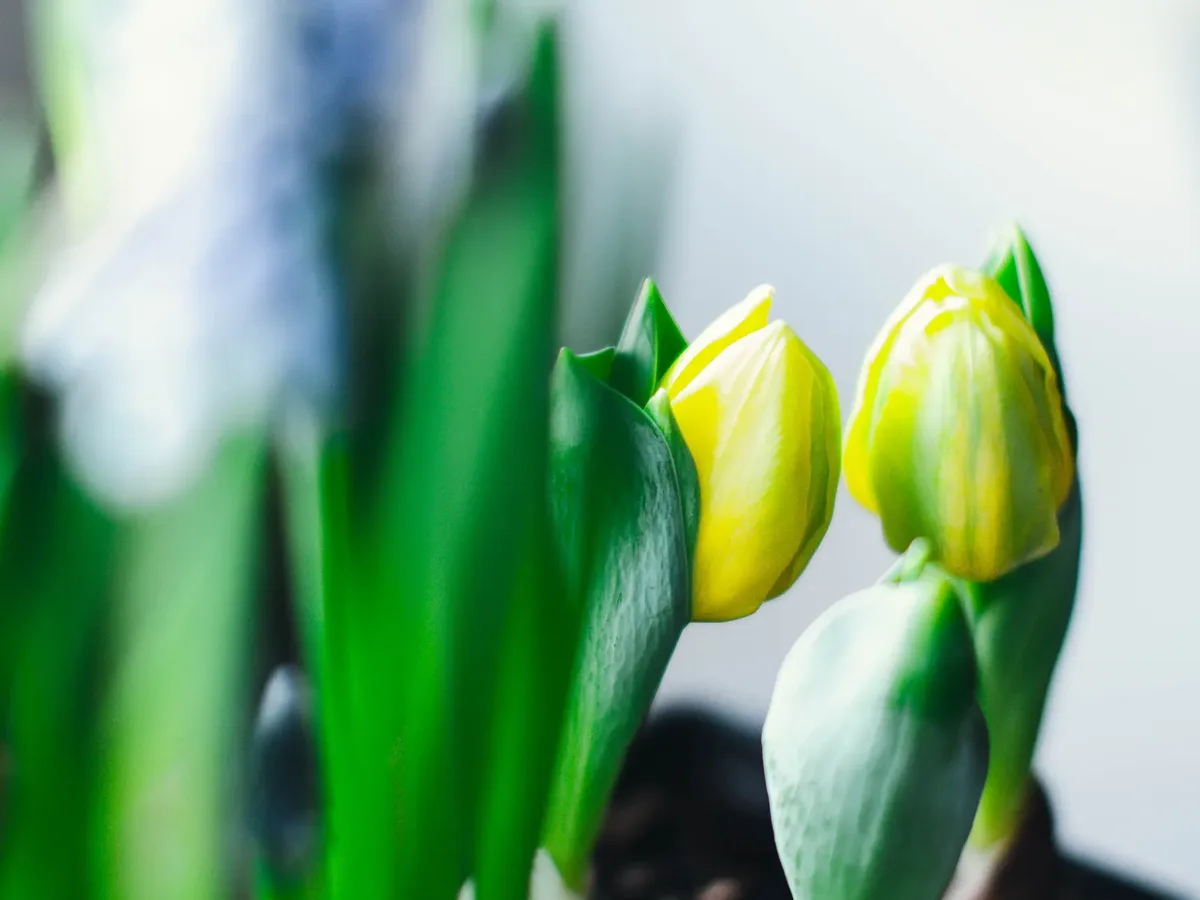
Most spring-flowering bulbs are planted in autumn, while the soil is still workable but cooling down. That timing lets roots establish before winter. In the northern hemisphere, autumn generally means September to November, depending on your climate. In Australia and other southern hemisphere regions, plant in autumn there — roughly March to May — so bulbs experience their cool season before spring.
Choose a spot with sun or light shade and soil that drains well. Bulbs rot in waterlogged ground, so avoid hollows where water collects. If your soil is heavy clay, add grit or compost to improve drainage, or plant in raised beds and containers where you control the mix more easily.
Containers are a good option for small gardens and balconies. Use pots with drainage holes, a free-draining potting mix, and plant bulbs more closely than you would in the ground — a technique often called layering, where early, mid, and late bulbs are planted at different depths in the same pot for a long display.
Planting Depth and Spacing
A useful general rule is to plant a bulb at a depth about three times its own height, measured from the base of the bulb to the soil surface. So a bulb 5 centimetres tall goes about 15 centimetres deep. Small bulbs are planted shallower, large bulbs deeper. Always plant with the pointed end up and the flat, root end down. If you cannot tell which end is which, plant the bulb on its side — the shoot will usually find its way up.
- Dig or make a hole to the right depth, or dig a trench for a group planting.
- Place bulbs with space between them — roughly two to three times the bulb width apart — rather than touching.
- Backfill gently, firm the soil, and water well to settle it.
- Label the area if you plant among perennials, so you do not dig bulbs up by accident later.
Planting in groups or drifts looks more natural than single bulbs spaced evenly in a row. Odd numbers and clusters of five, seven, or more give a fuller effect, especially for daffodils and tulips.
Caring for Bulbs Through Spring
Once planted, bulbs need little care over winter. In very dry autumns, water after planting and occasionally if the soil dries out completely. In spring, water during dry spells, especially for container bulbs, which dry out faster than those in the ground.
Feeding is usually unnecessary in the first year if bulbs were healthy and soil is reasonable. In later years, a balanced fertiliser or a specific bulb feed applied as shoots emerge can help, particularly for bulbs in containers or poor soil. Avoid high-nitrogen feeds, which encourage leafy growth at the expense of flowers.
After flowering, the most important rule is patience: leave the foliage alone. Leaves photosynthesise and feed the bulb for next year. Do not cut, tie, or braid them, even if they look untidy. Wait until foliage has yellowed and died back naturally — usually about six weeks after flowering — before removing it. This single habit makes the biggest difference to whether bulbs return strongly.
Deadhead spent tulip and daffodil flowers by snapping off the flower head, so the plant does not waste energy making seed. Leave the stem and leaves intact. For naturalised daffodils in grass, delay mowing until foliage has died back.
Lifting, Dividing, and Storing Bulbs
Many bulbs can stay in the ground for years, especially daffodils. Over time, clumps become crowded and flowering may decline. When that happens, lift clumps after foliage has died back, gently separate the bulbs, discard any soft or damaged ones, and replant the healthy ones at the right depth and spacing.
Tulips in warm climates, and bulbs grown in containers, are often lifted each year. Let foliage die back, lift bulbs carefully, dry them in a cool, airy place out of direct sun, and store them in a paper bag or tray in a cool, dry spot until autumn planting. Label bags clearly — bulbs of different varieties look very similar once out of the ground.
If you are building a mixed border, bulbs pair well with later-flowering plants that hide fading foliage. Roses planted nearby leaf out as bulb foliage dies back, and shade-tolerant flowers under trees can extend interest in spots where spring bulbs have finished. Planning that overlap keeps beds looking good beyond the bulb season.
Common Bulb Problems
- Bulbs not flowering: often caused by cutting foliage too early the previous year, planting too shallow, or overcrowding.
- Rotting bulbs: usually poor drainage. Improve soil structure or switch to containers and raised beds.
- Leaves but no flowers: can happen if bulbs were planted too late, were stored badly, or did not get enough winter chill.
- Pests: squirrels and mice sometimes dig up tulips and crocuses. Wire mesh over newly planted areas, or planting daffodils — which pests tend to avoid — can help.
Do not be discouraged by one poor season. Bulb performance varies with weather, and a clump that flowers weakly one year may recover the next if foliage is left to feed it.
At the end of the season, think ahead to winter preparation. Preparing the garden for winter includes clearing spent bulb foliage once it has died back and checking that containers are protected from waterlogging.
Frequently Asked Questions
What happens if I plant bulbs too late?
Late-planted bulbs may still flower, but often later and less vigorously, because roots have had less time to establish. Plant as soon as you can, even if it is later than ideal, and water well.
Can I plant bulbs in spring?
Spring-planted dry bulbs usually miss their flowering window for that year. For spring colour, buy bulbs in autumn. In spring, you can buy bulbs already growing in pots and plant those out after flowering.
Why should I not cut bulb leaves after flowering?
Leaves make food that is stored in the bulb for next year’s flowers. Cutting them early starves the bulb and leads to weak or no flowering the following spring.
Do bulbs need to be lifted every year?
No. Most daffodils, crocuses, and many alliums do best left undisturbed. Lift only when clumps are overcrowded, when you need to move them, or when growing tulips as annual displays in warm climates.
Can I grow bulbs indoors?
Yes. Hyacinths, paperwhite daffodils, and some tulips can be forced indoors in pots or water. Follow variety-specific chilling advice, and expect indoor-forced bulbs to be weaker if planted outside afterwards.
Conclusion
Spring bulbs reward a small amount of autumn effort with months of colour. Choose firm bulbs suited to your climate, plant them at the right depth in well-drained soil, and — most importantly — leave the foliage to die back naturally after flowering. With those habits, a few bags of bulbs planted this autumn can become a reliable, expanding display that returns each spring.