
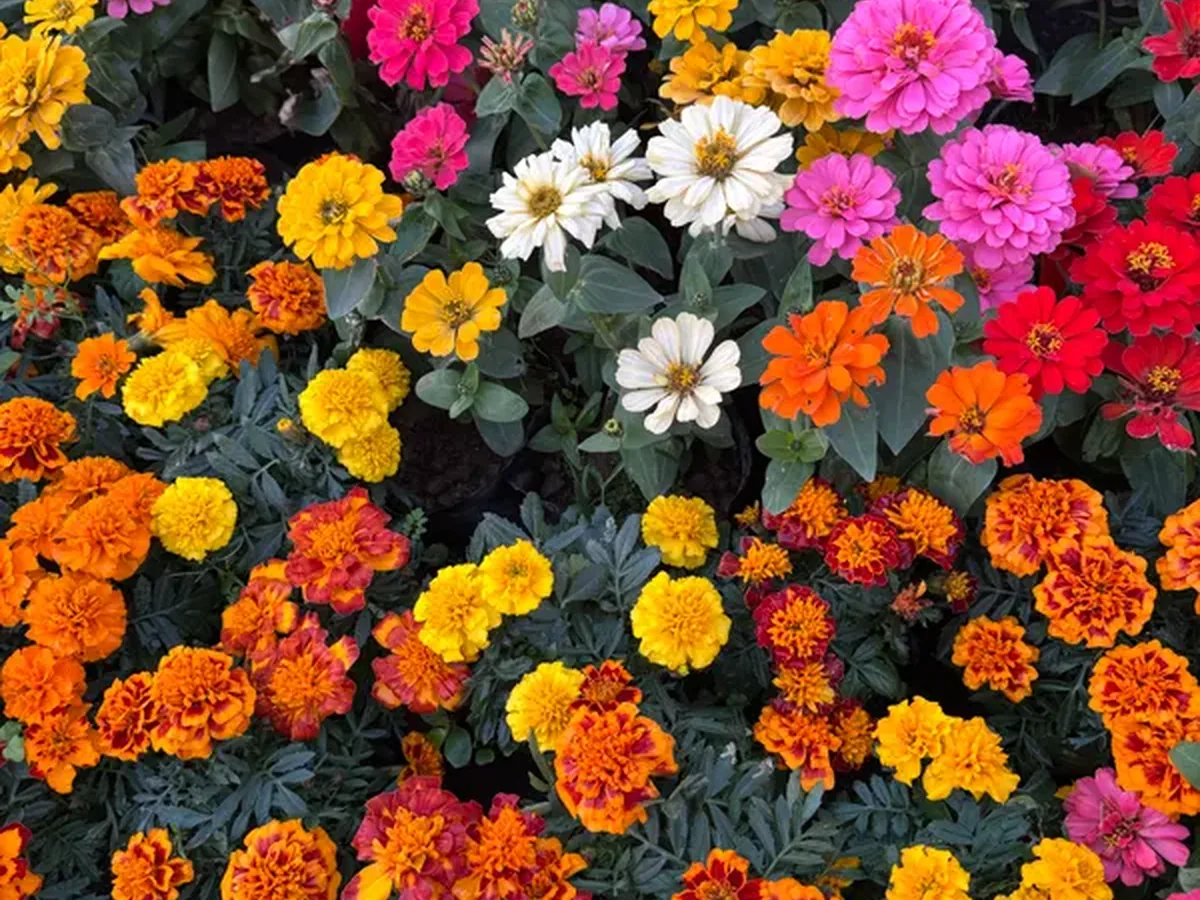
A sunny garden is a gift, but it can also be unforgiving. Beds that bake in afternoon sun dry out quickly, and plants that love shade will wilt no matter how much you water them. The trick is to choose flowers that actually enjoy heat and light, and then give them the soil and watering routine that lets them thrive. The flowers below are all reliable choices for sunny borders, and none of them demand expert skills.
What Sunny Gardens Need
Before choosing plants, take note of how much sun your beds really get. A south-facing border in the northern hemisphere, or a north-facing border in the southern hemisphere, may receive sun all day, while a bed beside a fence might get strong sun only in the afternoon. Most sun-loving flowers want at least six hours of direct sun, but afternoon heat is more intense than morning sun, so plants in the hottest spots need tougher leaves and deeper roots.
Soil preparation matters as much as plant choice. Dig in compost to help sandy soil hold moisture and to open up heavy clay so water drains rather than pooling. Mulch after planting to keep roots cool and reduce evaporation. Water deeply and less often, so roots grow downward instead of staying near the surface where they dry out first.

Marigolds and Zinnias for Instant Colour
Marigolds are a classic beginner flower for a reason. They grow quickly from seed or seedlings, flower for months, and tolerate heat well. French marigolds stay compact and suit edging and containers, while taller African types work at the back of a border. Deadhead faded blooms regularly to keep new flowers coming.
Zinnias are another warm-weather workhorse. They come in a wide range of colours, from soft pastels to bright oranges and pinks, and they flower generously from summer into autumn in most climates. Sow seed directly once frost has passed, or start seedlings indoors a few weeks earlier. Zinnias like good airflow, so avoid crowding them, and water at the base to keep foliage dry.
Both flowers are useful for cutting. Picking blooms for a vase is, in effect, deadheading, and it encourages the plant to produce more. If you enjoy growing sunflowers from seed, zinnias and marigolds make good companions in the same sunny bed, sharing similar water and sun needs.
Lavender, Salvia, and Other Drought-Tolerant Choices
Once established, lavender copes well with sun and dry soil, provided drainage is good. It dislikes wet feet far more than it dislikes heat. Plant it in a sunny, open spot, prune lightly after flowering to keep it compact, and avoid rich, waterlogged soil. Its scent and silvery foliage also give a border structure even when it is not in bloom. For detailed planting and pruning advice, see how to grow lavender at home.
Salvias, including many perennial types, are similarly tough. They flower over a long period, attract bees and butterflies, and come in blues, purples, pinks, and reds. Cut back spent flower spikes to encourage a second flush. In colder climates, some salvias behave as annuals, while in milder areas they return year after year.
Other dependable sun lovers include coreopsis, with its cheerful daisy-like flowers; echinacea, which tolerates dry spells once established; and gazania, which opens in bright sun and suits hot, dry edges and containers. All three benefit from deadheading and from soil that drains freely.
Cosmos, Sunflowers, and Tall Summer Colour
If your sunny bed feels empty at the back, tall annuals fill it quickly. Cosmos grows easily from seed, produces feathery foliage and open, daisy-like flowers, and keeps going until frost. It prefers not to be overfed — too much fertiliser produces leafy plants with fewer flowers — so ordinary garden soil is usually enough.
Sunflowers need the sunniest spot you have and room to grow. Shorter varieties suit borders and large pots, while tall types need shelter from strong wind and a stake if they grow very high. Children often enjoy growing them, and the seed heads later attract birds. For step-by-step sowing advice, our sunflower guide covers spacing, watering, and support.
Tall flowers also help structure a garden. Plant them at the back of a border or along a fence, with medium-height flowers in front and low edging plants at the front. That simple layering makes even a small bed look planned rather than random.
Planning a Sunny Border That Lasts
A common beginner mistake is planting only annuals, which means starting again each spring. Mixing annuals with perennials gives you both instant colour and plants that return. For example, pair marigolds or zinnias for the first season with lavender, echinacea, or salvia that will strengthen over the next year or two.
Think about succession, too. Spring bulbs can flower before summer annuals take over, and late-flowering perennials such as asters extend colour into autumn. Staggering heights, colours, and flowering times means the bed rarely looks bare.
Watering efficiently matters in a sunny garden, where evaporation is high. Water in the early morning or evening, direct water to the soil, and mulch generously. Our guide to watering your garden efficiently explains how to check soil moisture and reduce waste without stressing plants.
Common Mistakes in Sunny Gardens
- Planting shade-loving flowers in full sun and expecting them to cope.
- Watering lightly every day, which keeps roots shallow and vulnerable to heat.
- Skipping mulch, so soil dries out and weeds take hold.
- Overcrowding plants, which reduces airflow and encourages mildew.
- Feeding heavily in the hope of more flowers, which can produce soft growth instead.
Most of these are easy to correct. Moving a struggling plant to a more suitable spot in cooler weather, mulching, and adjusting watering usually improves things within a few weeks.
Frequently Asked Questions
What is the easiest flower for a very sunny garden?
Marigolds and zinnias are among the easiest. Both germinate readily, tolerate heat, flower for a long season, and need little more than sun, reasonable soil, and regular deadheading.
Do sun-loving flowers need watering every day?
Not usually. Deep watering two or three times a week in dry weather is better than a daily sprinkle. Check soil moisture a few centimetres down before watering again, and mulch to slow evaporation.
Can I grow sun-loving flowers in pots?
Yes, but pots dry out faster than garden beds, especially in full sun. Use large pots, a good potting mix, and check moisture daily in hot weather. Terracotta pots dry out faster than plastic or glazed pots.
Why do my sunny-border flowers wilt in the afternoon?
Some wilting in intense afternoon heat is normal, and plants often recover in the evening. If wilting persists overnight, the soil is likely too dry, the plant is newly transplanted, or roots are damaged. Water deeply and mulch, and check drainage.
Should I feed flowers in sunny beds?
A light feed in spring and again mid-season is usually enough. Too much fertiliser, especially high-nitrogen feed, can produce leafy growth with fewer blooms. Follow label rates and prioritise compost and mulch for long-term soil health.
Conclusion
Sunny gardens reward plant choices that match the conditions rather than fight them. Marigolds, zinnias, lavender, salvia, cosmos, and sunflowers all enjoy heat and light, and they ask mainly for well-prepared soil, deep watering, mulch, and regular deadheading. Mix annuals for quick colour with perennials for structure, layer heights from front to back, and you will have a border that looks good through summer without constant attention.