Shade is often treated as a problem in gardening, but it is really just a different set of conditions. Many beautiful flowers prefer shade, or at least tolerate it, and a shaded bed can stay cooler, retain moisture longer, and look lush when sunny beds are struggling in heat. The key is to match plants to the type of shade you have, because shade under a tree is not the same as shade beside a north-facing wall.
Understanding Your Shade
Start by observing your garden through the day. Light shade means the area gets a few hours of sun, often in the morning, or dappled light through a canopy. Partial shade means roughly three to six hours of sun. Full shade means less than three hours of direct sun, though the area may still be bright.
Also note whether shade is dry or moist. Shade under large trees is often dry, because tree roots take much of the available water. Shade beside a building or on the north side of a fence may stay moist longer. Dry shade and moist shade suit different plants, and choosing for both light and moisture gives much better results than choosing for light alone.
Soil in shaded areas often benefits from added compost, which improves moisture retention in dry shade and drainage in heavy, wet shade. Mulch helps, too, by keeping roots cool and reducing competition from weeds.
Reliable Flowers for Light and Partial Shade
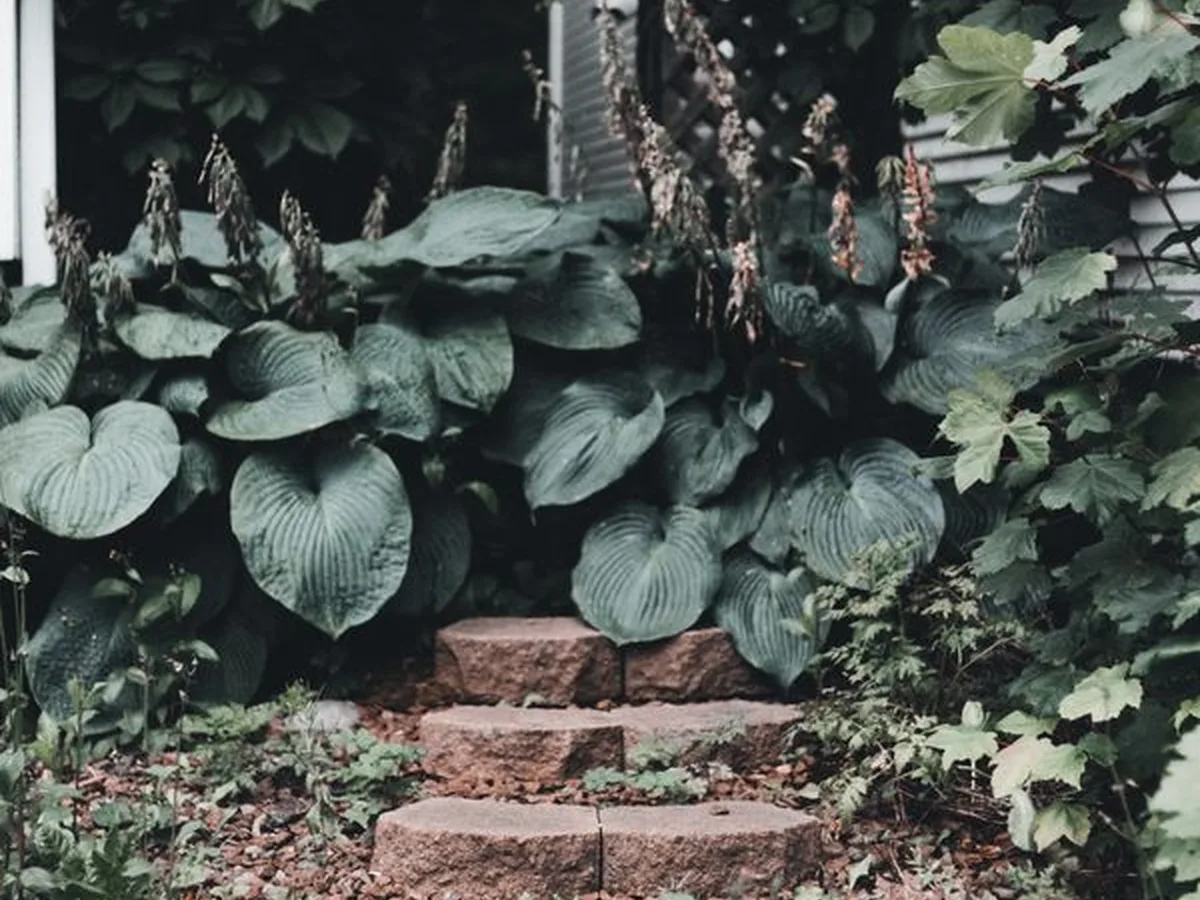
Hostas are best known for foliage, but many also produce attractive flower spikes in summer. They suit moist, shaded beds and come in a wide range of leaf sizes and colours, from blue-green to variegated gold. Hostas need protection from slugs, which can damage leaves, especially in damp conditions.
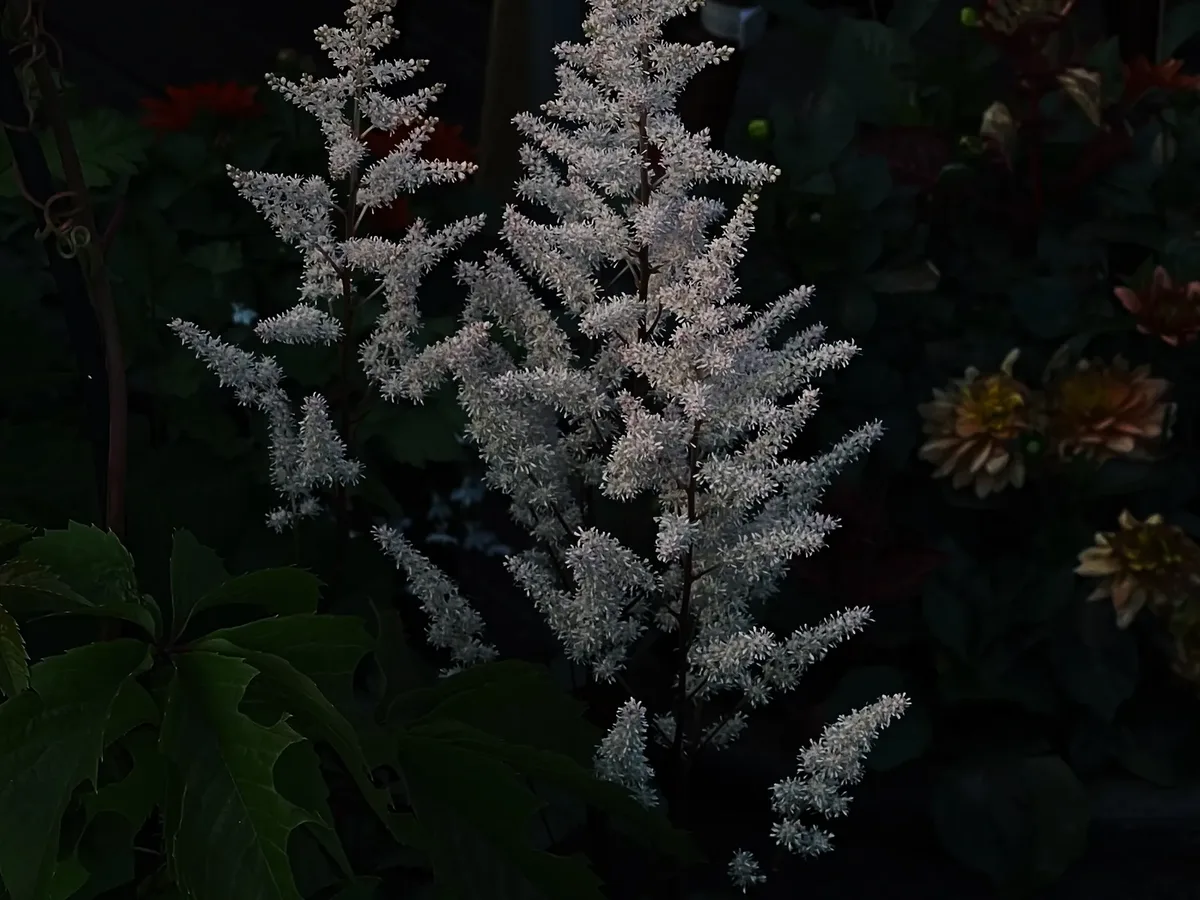
Astilbe produces feathery plumes in pink, white, and red, and prefers moist soil and light to partial shade. It is a good choice for beds that stay damp, and it pairs well with ferns and hostas for a layered, woodland feel. In dry shade, astilbe will struggle unless watered regularly.
Foxgloves are another classic for partial shade. They are biennials or short-lived perennials, flowering in their second year, and they self-seed readily once established. Their tall spikes add height to shaded borders. Note that all parts of foxglove are toxic if eaten, so plant them away from areas where small children play unsupervised, and wash hands after handling.
Bleeding heart, with its arching stems and heart-shaped flowers in spring, suits light shade and moist, humus-rich soil. It may die back in summer heat, especially in dry conditions, but it returns the following spring. Planting later-flowering shade plants nearby fills the gap it leaves.
Flowers for Deeper Shade
Deeper shade narrows the choice, but it does not eliminate it. Lily of the valley flowers in spring with strongly scented white bells and tolerates shade well, though it can spread vigorously — plant it where spreading is acceptable or contained. It prefers moist soil and cool conditions.
Primroses and polyanthus flower early, often from late winter into spring, and suit shaded beds, woodland edges, and containers. They like moist, humus-rich soil and will often self-seed. Deadheading spent flowers extends their display.
Impatiens and begonias are popular for shade in containers and bedding displays. In mild climates they flower through summer into autumn, while in colder areas they are usually grown as annuals. They need regular watering and dislike frost, so plant them out only after frost risk has passed.
For ground cover in shade, periwinkle and sweet woodruff flower modestly but cover soil effectively and suppress weeds. They are useful under trees and shrubs where little else thrives, though periwinkle can spread strongly and should be kept away from natural areas where it might escape.
Spring Bulbs and Shade
Many spring bulbs flower well in shade that is seasonal. Under deciduous trees, for example, bulbs receive sun in late winter and spring before leaves emerge, then shade in summer when they are dormant. Daffodils, snowdrops, and crocuses all work in this situation, and they are a good way to get early colour in a bed that looks bare in winter.
Plant bulbs in autumn, at the correct depth, in soil that drains well. Leave foliage to die back naturally after flowering, as with bulbs anywhere, so they store food for next year. Our guide to planting and caring for spring bulbs covers depth, spacing, and aftercare in detail.
Shade gardens also benefit from good soil care. Adding compost and organic matter improves structure and helps plants cope with root competition from trees. For a broader look at building healthy soil, see how to improve garden soil naturally.
Designing a Shade Border
Shade borders look best when foliage does much of the work. Mix leaf shapes, sizes, and colours — large hosta leaves beside fine fern fronds, for example — and use flowers as accents rather than relying on flowers alone. That way the border looks good even between flowering periods.
Layer plants by height: tall foxgloves or astilbe at the back, medium hostas and bleeding heart in the middle, and low primroses or ground cover at the front. Repeat a few reliable plants through the border rather than planting one of everything, which can look scattered in shade.
Light-coloured flowers and variegated foliage stand out in shade and brighten dark corners. White, pale pink, and soft yellow flowers are often more visible in low light than deep reds and purples, which can disappear into shadow.
Once flowers fade, regular deadheading and tidying keep shade beds looking fresh, though many shade plants need less deadheading than sun-loving annuals. For techniques that apply across flower types, see how to deadhead flowers for longer blooms.
Frequently Asked Questions
Can any flowers grow in full shade?
Yes, but the range is smaller than for partial shade. Lily of the valley, primroses, and some ground covers tolerate deeper shade, especially if soil stays moist. In very dark, dry shade, foliage plants such as ferns and hostas may perform better than flowering plants.
Why do my shade plants still wilt?
Wilting in shade is often caused by dry soil under trees, where roots compete for water, rather than by sun. Water deeply, mulch, and add compost to help soil hold moisture. Newly planted shade plants also need regular watering until established.
Do shade flowers need feeding?
A light feed in spring and compost as mulch is usually enough. Shade plants generally grow more slowly than sun plants, so they need less fertiliser. Overfeeding can produce soft growth that slugs find attractive.
Can I grow shade flowers in pots?
Yes. Hostas, primroses, begonias, and impatiens all grow well in containers in shade, provided pots have drainage and soil stays moist. Containers in shade dry out more slowly than those in sun, so check moisture before watering to avoid waterlogging.
What is the difference between dry shade and moist shade?
Dry shade, often under trees, has soil that dries quickly because of root competition. Moist shade stays damp longer, for example beside walls or in low areas. Dry shade suits tougher plants like periwinkle and some hostas with watering; moist shade suits astilbe, primroses, and ferns.
Conclusion
A shaded garden does not have to be a garden without flowers. By identifying whether your shade is light, partial, or deep, and whether soil is dry or moist, you can choose plants that genuinely enjoy those conditions — hostas, astilbe, foxgloves, primroses, and spring bulbs among them. Add compost, mulch, and a layered planting plan that values foliage as well as flowers, and a shady corner can become one of the most restful and attractive parts of the garden.